SEE HOW OUR BODIES SHAPE THE METAPHORS WE USE TO UNDERSTAND THE WORLD.
🦋 DECODING METAPHORS WITH BODY PARTS

Tools - is part of Series

“If the foot fits, wear it; otherwise, dance barefoot.” — Traditional proverb
📄 ABSTRACT OF WHAT IS DECODING METAPHORS WITH BODY PARTS
Metaphors involving body parts are not mere linguistic flourishes but are deeply embedded in the human brain’s architecture, evolutionary history, and cultural fabric. Research suggests that these metaphors perform the crucial cognitive function of mapping internal bodily states onto abstract concepts, enabling meaning-making that bridges sensation, emotion, and intellect (Lakoff & Johnson, 1980). Neuroscientific studies show overlapping brain regions activate when processing metaphors and experiencing bodily sensations, supporting the embodied cognition framework (Barsalou, 2008). Anthropological evidence traces body-part metaphors across cultures and history, revealing universal themes of courage, wisdom, and connection (Nash, 2017).
Within neurolinguistic programming (NLP) and consciousness studies, decoding these metaphors facilitates Client insight, emotional regulation, and transformative healing. This article offers a comprehensive interdisciplinary exploration spanning evolutionary biology, neuroscience, anthropology, NLP, and ancient wisdom traditions. It will provide scientific grounding, practical therapeutic tools, session scripts using Milton H. Erickson’s hypnotic patterns, meditation practices, cultural context, and multimedia recommendations to guide readers in tapping the profound power of body part metaphors.
✅ THE BENEFITS OF DECODING METAPHORS WITH BODY PARTS
“I’m so divided on this issue, my own body parts are arguing.” — Unknown
The use of body-part metaphors yields multiple advantages supported by scientific and cultural knowledge:
-
Embodied cognition enhancement: The brain continuously integrates signals from the body’s interoceptive and proprioceptive systems, making physical metaphors an intuitive conduit to grasp complex emotions and abstract ideas (Craig, 2002). The “gut feeling” reflects visceral input shaping decision-making; the “heartache” ties emotional pain to perceived cardiac sensations.
-
Communication clarity and persuasion: Metaphors rooted in shared bodily experience help speakers connect with listeners more effectively. NLP leverages this to access unconscious mind states and shift perspectives, increasing therapeutic and interpersonal efficacy (Bandler & Grinder, 1975).
-
Emotional regulation and resilience: Identifying emotions mapped onto physical sensations allows better recognition, acceptance, and transformation of internal states, supporting mental health and adaptive coping strategies (Damasio, 1994).
-
Cross-cultural empathy and universality: Although cultural meanings vary, many body metaphors reference universal human experiences—breath as life’s rhythm, the spine as structural support—facilitating understanding across diverse worldviews (Geertz, 1973).
-
Spiritual awakening and mindfulness: Ancient practices use body metaphors, such as chakras or energy centers, to focus consciousness and cultivate presence. This embodied metaphorical language guides meditative states and spiritual growth (Eliade, 1958).
Decoding metaphors with body parts deepens self-awareness, enriches relationships, and bridges mind-body-spirit dimensions.
🏛️ ORIGINS AND PERCEPTION OF DECODING METAPHORS WITH BODY PARTS ACROSS CULTURES AND HISTORY
The use of body-part metaphors is a rich and evolving phenomenon deeply intertwined with cultural traditions, philosophical developments, and linguistic practices. Here is an elaboration on these three interrelated domains:
Cultural Traditions
Body-part metaphors appear across diverse cultures as fundamental ways of expressing human experience, social values, and spiritual beliefs. For example:
-
Indigenous and Tribal Cultures: Many indigenous traditions regard body parts as symbolic centers of life energy, emotions, or communal roles. Studies of archaic Hungarian prayers reveal metaphors around “hand” and “hair” that blend Christian and older pagan or shamanistic beliefs, showing how cultural layering shapes metaphor use. In African languages, body metaphors often personify natural elements or social roles, reflecting the integration of body symbolism with the environment and community.
-
Ancient Civilizations: In Egypt, the heart was central to concepts of morality and identity, preserved for the afterlife. Greek myths and philosophy likewise imbue body parts like the head with knowledge and power, as evidenced by “talking head” myths (Orpheus, Mímir). These metaphors served as cognitive anchors in religious, medical, and social discourses.
-
Eastern Traditions: Ayurvedic and Traditional Chinese Medicine systems map emotions, spiritual states, and health to body parts and energy centers (e.g., chakras, meridians). These metaphors are not just linguistic, but integrated into practices for healing and consciousness cultivation.
-
Medieval and Western Traditions: The “body politic” metaphor was widely used in medieval Europe to represent societal order, drawing on the hierarchical and interdependent nature of body parts to explain the functioning of states and churches.
Philosophical Shifts
Philosophically, body metaphors have undergone transformations alongside shifts in worldview:
-
Ancient Thought: Philosophers such as Aristotle connected body parts metaphorically to cognitive faculties and soul processes, framing the body as a microcosm reflecting larger truths about mind and nature.
-
Medieval and Renaissance: The body metaphor extended to political and religious realms, where the body’s hierarchical organization modeled ideal societal and cosmic orders.
-
Enlightenment and Modernity: The metaphor of the body as machine dominated scientific and medical thinking, leading to a mechanistic worldview of the body as a collection of parts. Later, this shifted towards understanding the body as a homeostatic organism, emphasizing holistic integration rather than mechanistic parts.
-
Contemporary Philosophy: Embodied cognition theories place the body as fundamental to meaning-making, challenging purely abstract or disembodied views of thought and language. Metaphors grounded in bodily experience are now seen as foundational to human conceptual systems.
Linguistic Developments
Linguistically, body-part metaphors are pervasive and evolve in systematic ways:
-
Cognitive Linguistics Framework: Researchers document how body-part terms serve as prototypes for metaphorically structuring abstract domains. For example, “hand” metaphors extend to meanings involving control, help, or creation (“handling a situation,” “helping hand”).
-
Cross-linguistic Variation: While some metaphors are universal (e.g., heart for emotion), many body-part metaphors vary regionally or culturally, influenced by social norms, religion, and history.
-
Lexicalization and Semantic Shift: Body-part words combine with other words or concepts to create new meanings (e.g., “handbag,” “headquarters”), reflecting ongoing metaphorical lexical innovation.
-
Figurative Language Frequency: Studies show metaphors using body parts appear frequently in everyday language, illustrating their central role in communication, thought, and narrative.
In sum, body-part metaphors arise from embodied experience but are richly informed by cultural context, historical change, philosophical inquiry, and linguistic practice. They continue to evolve as living elements of human cognition and culture, bridging the physical body with abstract meaning in endlessly creative ways.
📜 PRINCIPLES OF DECODING METAPHORS WITH BODY PARTS
The principles of decoding metaphors with body parts are rooted in an understanding that these metaphors bridge internal bodily experiences with abstract thoughts, emotions, and cultural meaning. Effective decoding requires careful attention to both the physiological sensations and the symbolic language Clients use. Here are the key principles:
-
Ground in Embodied Experience
Decoding begins by recognizing that body-part metaphors arise from real interoceptive and proprioceptive sensations. Paying attention to how Clients physically experience or sense these metaphors helps anchor abstract meaning in lived bodily reality. This embodiment principle reflects foundational cognitive linguistics insights that metaphors map concrete bodily domains onto abstract concepts. -
Respect Client Autonomy and Meaning-Making
Metaphor interpretation should be collaborative, not imposed. Facilitators encourage Clients to explore what their body metaphors mean to them personally. This Client-led discovery honors individual, cultural, and contextual differences in metaphorical significance, supporting meaningful insight. -
Differentiate Symbolism from Pathology
Body-part metaphors are symbolic, not diagnostic. It’s crucial to keep metaphor decoding distinct from clinical evaluation to avoid misinterpretation or harm. If physical or psychological distress is apparent, referrals to appropriate professionals are warranted. -
Use Multimodal Approaches
Combine verbal metaphor exploration with sensory, imagery-based, and mindfulness techniques to deepen embodied awareness. Engaging multiple modalities helps Clients access and transform underlying emotional or cognitive patterns linked to the metaphor. -
Cultural Sensitivity and Contextual Awareness
Since body-part metaphors carry culturally specific meanings, practitioners remain sensitive to Clients’ backgrounds. Understanding cultural narratives, beliefs, and language norms ensures respectful and accurate decoding of metaphors. -
Apply Evidence-Based Language Patterns
In NLP and therapeutic frameworks, skillful use of language patterns such as reframing, anchoring, and embedded commands enhances the transformative potential of metaphors. These techniques help Clients shift perspectives and create new meaning aligned with their embodied experience. -
Monitor Safety and Readiness
Particularly with trauma survivors or Clients facing significant distress, careful assessment of readiness for metaphor work is essential. Safety warnings, pacing, and contraindications must be observed, with professional supervision as needed. -
Recognize the Dynamic and Interactive Nature of Metaphors
Decoding is not a one-way interpretation but an interactive process where metaphors are enacted and co-created in dialogue. Metaphors can open new possibilities for action and change, especially when therapists engage actively and responsively. -
Integrate Interdisciplinary Insights
Drawing from neuroscience, anthropology, consciousness studies, and ancient traditions enriches decoding practice. Understanding the evolutionary, cultural, and scientific bases of body metaphors grounds work in a comprehensive framework, enhancing depth and relevance.
These principles provide a foundation for ethically and effectively decoding body-part metaphors, harnessing their power to connect mind, body, and culture in healing and insight.
🗨️ GUIDING CLIENTS IN DECODING METAPHORS WITH BODY PARTS
Observation and Presence
- Position yourself at the Client’s side to unobtrusively observe subtle shifts in facial expressions, gestures, and skin tone while ensuring you do not interfere with their imaginative process or metaphor creation.
Vocal Modulation
- Use a gentle, melodic, and unhurried tone when speaking, allowing your voice to foster calm and receptivity.
Genuine Engagement
- Demonstrate active interest in the Client’s process by listening attentively and supporting their exploratory journey.
Reflective Communication
- Echo the Client’s words and delivery style. For example, if the Client describes an exciting moment with a bright expression, quicker speech, and a higher tone, mirror these qualities in your response. As a practitioner, strive to match their affective cues, or consider formal training in expressive techniques to enhance these skills.
Connecting Experience and Inquiry
- Seamlessly link questions and reflections to the Client’s experiences using coordination (e.g., and, as, when), ensuring a smooth and empathetic flow throughout the interaction.
💧 DECODING METAPHORS WITH BODY PARTS SCRIPT BASED ON THE EXPLORATION OF AXEL MAGNUS
“I used to be indecisive but now I am not quite sure.” — Tommy Cooper
Scene:
Quiet therapy room. Two chairs, but space for moving. There’s a calm, curious atmosphere.
Axel: I hear you’ve been a feeling in your throat like something is stuck?
Client: Yes… My throat… it’s like a knot. Hard to speak about some things.
Axel: Let’s treat these not as facts to fight, but as messages from your body. Let’s turn to the lump in your throat. Close your eyes if that feels safe. Sense that lump. Give it a shape or texture.
Client: It’s like a round pebble. Hard, smooth, right here. (gestures to throat)
Axel: What happens if, in your mind, you roll that pebble downward into your chest… or upward and out through your mouth… whichever direction feels easier?
Client (pauses, tilts head slightly): It wants to roll down, into my chest. When it does… it feels warmer, less solid.
Axel: Follow that shift. Maybe the pebble is changing into something else?
Client: Yes… It’s not a pebble anymore. More like warm water. It spreads… then disappears.
Axel: Interesting. Earlier it was “a lump — it’s stuck.” Now the image is “warm water — it moves.” When you give the body a new metaphor to play with, movement becomes possible, and different sensations follow.
Client: It’s amazing. Just changing the metaphor changed the feeling. I can breathe easier… and my hands feel relaxed.
Axel: Exactly. Sometimes the body isn’t just holding tension — it’s holding a story in the form of an image. When we change the story, the body responds. Well done. You’ve just taken a powerful step toward learning, asking and listening. I would like now to integrate it even further by asking you to notice the part that is responsible for having this experience. Notice the location of the part."
Client: “The location has changed. I feel change not only now, but I sense it will carry on as well in the future.”
🗣️ ANECDOTE ABOUT DECODING METAPHORS WITH BODY PARTS
Anecdote: Decoding Metaphors with Body Parts and Transformation of Narrative
Sarah (a pseudonym to protect confidentiality) initially came to therapy overwhelmed by pervasive anxiety and a sense of being burdened beyond words. She frequently described her experience using vivid body metaphors: a “tightness in my chest like a clenched fist” and “a heavy stone pressing down on my back.” These metaphors were tangible representations of her inner emotional landscape, giving voice to feelings that were difficult to express through conventional language.
In the therapeutic process, the practitioner invited Sarah to engage deeply with these physical metaphors, gently guiding her to notice where the tightness and weight resided in her body, what textures or shapes they held, and what emotions or thoughts accompanied them. When Sarah focused on the metaphor of the clenched fist in her chest, it became clear that this image symbolized her anxiety, fear, and the emotional grip of unspoken responsibilities she felt pressured to carry alone.
Similarly, the heavy stone pressing on her back came to represent accumulated burdens—stress from her work environment, family tensions, and unresolved conflicts. As Sarah visualized the stone’s form and weight in finer detail, the metaphor gave her a concrete way to recognize the emotional load she was shouldering without relief.
The transformational moment came when Sarah was encouraged to “cradle” this stone in her hands—imagining it soften, lighten, and eventually transform into something more fluid and manageable, such as leaves drifting gently away on the wind. Simultaneously, she visualized the clenched fist begin to relax, loosening its grip and allowing her chest to open and breathe more freely.
This metaphorical shift sparked a profound change—not only in Sarah’s physical sensations but also in her internal narrative about herself and her situation. Where before she saw herself as overwhelmed and trapped by burdens too heavy to bear, after the metaphor transformation she began to view herself as active, empowered, and capable of releasing what no longer served her. The narrative moved from one of helplessness and being overwhelmed to one of agency and hopeful possibility.
Sarah described feeling a newfound lightness in her body and mind, accompanied by increased emotional clarity. This allowed her to recognize the importance of setting boundaries and seeking support, affirming her capacity to carry only what she chose. The metaphor became a personal symbol of resilience and self-care rather than oppression.
In sessions that followed, this transformed narrative echoed in Sarah’s language and behavior. She reported improvements in mood, decreased physical tension, and a growing sense of control over her emotional landscape. The original metaphors had acted as doorways—first opening awareness of buried emotional content and then facilitating re-imagining and release. Through this embodied metaphor work, Sarah’s story changed—from a narrative dominated by constriction and heaviness to one characterized by openness, flexibility, and empowerment.
👣 THE BASIC PROCESS OF DECODING METAPHORS WITH BODY PARTS
A Research Based Approach
- Literature and Video Review: Conduct a comprehensive review of existing research on DECODING METAPHORS WITH BODY PARTS including studies on meditation, trance, and ecstatic experiences.
- Surveys and Interviews: Conduct surveys and interviews with individuals who practice meditation, yoga, and other similar based practices to gather information on their experiences and techniques.
- Physiological Measurements: Measure physiological responses such as heart rate, blood pressure, and brainwave activity in individuals who practice METAPHORS techniques.
👣 THE BASIC PROCESS OF DECODING METAPHORS WITH BODY PARTS
The basic process of experiencing and decoding metaphors with body parts involves a structured yet fluid approach that connects bodily sensations, symbolic language, and personal meaning. This experiential process allows individuals to access deeper awareness and transform abstract emotional or cognitive states through embodied imagery. Here is an expanded explanation of the key steps involved in this process:
-
Notice and Identify Metaphoric Language
The process begins by paying close attention to language—either one’s own or a Client’s—that involves body parts in metaphorical ways (e.g., “tightness in the chest,” “heavy stone on my back,” “gut feeling”). These expressions signal that something internal is being communicated through physical imagery. -
Tune into Bodily Experience
The next step is to shift awareness inward and connect with the actual physical sensations that correspond to these metaphors. This involves noticing where in the body the feeling resides, its qualities such as size, texture, temperature, weight, and movement. This anchoring in bodily experience grounds abstract feelings in concrete, felt reality. -
Explore Symbolic Meaning
With bodily sensations identified, the individual or practitioner gently invites the exploration of what these metaphors mean on emotional, cognitive, or existential levels. For example, tightness in the chest may symbolize anxiety or grief; a heavy stone may reflect burdens or responsibilities. This step fosters insight by linking body and mind. -
Expand and Develop the Metaphor
Using questions or guided imagery, the metaphor can be elaborated—its characteristics clarified, and its story or role in the person’s experience explored. This may involve imagining how the metaphor changes over time, its interaction with the self, or its relationship to life circumstances. -
Work Toward Transformation
The process then encourages shifting the metaphor in ways that support healing or growth. This might include visualizing the metaphor softening, lightening, moving, or transforming into something more manageable or positive. Techniques from neurolinguistic programming (NLP) or Ericksonian hypnosis can aid this reframing. -
Integrate New Meaning and Awareness
After transformation, the person reflects on the new metaphorical image and its implications for self-understanding, behavior, and emotional regulation. The embodied metaphor becomes a tool for ongoing awareness and coping. -
Monitor Safety and Suitability
Throughout the process, attention to safety is paramount. Particularly when trauma or intense emotions are involved, the pace should be gentle, with readiness assessed regularly. Professional guidance is recommended where necessary.
This basic process can be facilitated through therapeutic dialogue, guided meditation, writing, or other creative expressive methods. The goal is to deepen the mind-body connection, unlocking new perspectives and pathways to emotional resilience by decoding the rich language of body-part metaphors.
💪 MEDITATION OF DECODING METAPHORS WITH BODY PARTS
Setting the Space
Begin in a quiet, comfortable space where you can relax fully without interruption. Allow yourself to settle gently, shifting into a calm and receptive state.
Induction and Relaxation
“As you begin to notice your breathing, you might feel the breath flowing smoothly like a gentle wave rolling in and out on a quiet shore. With each breath, your body can relax even more, as if the muscles from your head down to your toes are softly melting and releasing tension. You may find this relaxation spreading naturally, inviting a calm openness within.”
Inviting Embodied Exploration
“Now, if you allow your attention to touch softly on your body, you might discover a place—or even more than one—that softly ‘speaks’ to you in this moment. Perhaps a sensation, a subtle pressure, a warmth, or even a quiet stillness is present. Notice this sensation gently, without needing to change it, simply observing it as it is.”
Evoking and Deepening the Metaphor
“Imagine this sensation has shape, texture, and color perhaps it is like a stone resting within you, or a glowing ember softly flickering, or a gentle pulse flowing like a river. You might even feel it as a shape that you can cradle in your imagination, or a light that gradually brightens or shifts. There is no need to force any change; simply observe what naturally appears and how it evolves, like a story unfolding softly at its own pace.”
Facilitating Transformative Shift
“As you continue to breathe smoothly, you may notice the metaphorical image responding to your awareness. Perhaps it begins to soften, becoming lighter or more fluid, as if the stone might dissolve into flowing water or the ember might bloom into a radiant light. With every breath, feel this transformation gently expanding within your body, bringing ease, relief, or warmth where once there was tightness or heaviness. You are allowing your body’s wisdom to guide this subtle change.”
Inviting New Meaning and Integration
“As this transformation takes place, a new message or insight may quietly arise an understanding about what this sensation and metaphor mean for you, or a new way of looking at a challenge or feeling. You might find yourself sensing greater space around this sensation or a clearer path forward. Embrace this new awareness with gentle curiosity, knowing it is a gift from your body and mind working together.”
Enhancing
“Perhaps you notice now how, even without effort, your body remembers times of strength and calm. You can draw upon that memory as easily as breathing, letting it weave through your awareness like a gentle current. And as you do, you might find your heart opening, your shoulders relaxing, or your legs feeling grounded, all connected to this new felt sense of possibility and resilience.”
Returning and Carrying Insight Forward
“When you feel ready, begin to bring your attention slowly back to the room. You can gently wiggle your fingers and toes, stretch if you wish, and take a few deep, grounding breaths. Carry with you the calm and clarity born from this inner exploration, knowing you can revisit this metaphor whenever you choose—returning to that wellspring of transformative insight and embodied strength.”
Safety Notes and Adaptations
- This meditation is best practiced in a safe, relaxed environment.
- If distress arises at any point, gently pause or seek support from a therapist.
- The pace and imagery can be personalized to suit your comfort and needs.
- Using Erickson’s permissive and evocative style helps create a flexible, non-directive space for transformation.
▶️ VIDEO ABOUT DECODING METAPHORS WITH BODY PARTS
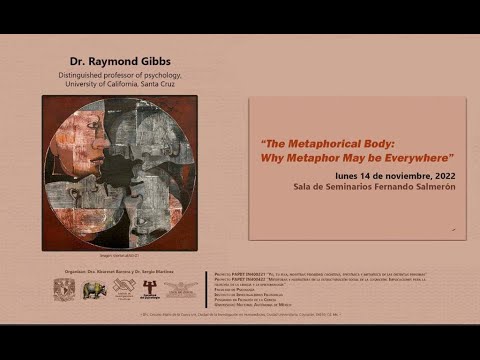
▶️ YouTube - The Metaphorical Body: Why Metaphor May be Everywhere
❓ FAQ ABOUT DECODING METAPHORS WITH BODY PARTS
1. What are body-part metaphors, and why do we use them?
Answer: Body-part metaphors use physical parts of the body—like the heart, head, chest, or back—as symbolic references to express emotions, thoughts, or social roles. These metaphors make abstract or complex experiences more tangible by linking them to familiar bodily sensations or functions. Because humans directly experience the body, these metaphors provide a universal yet flexible language for expressing and understanding internal states and relationships.
2. Are body-part metaphors universal across cultures?
Answer: Many body-part metaphors reflect universal human experiences (e.g., the heart as a symbol of emotion or courage), but their specific meanings and nuances vary greatly with cultural context, language, and history. For example, the “heart” may symbolize courage in one culture while representing the seat of intellect or spirit in another. Cultural sensitivity is essential when interpreting or using these metaphors.
3. How do body-part metaphors relate to neuroscience and embodied cognition?
Answer: Neuroscience shows that brain areas involved in processing bodily sensations also engage when understanding metaphors based on those sensations, supporting the theory of embodied cognition. This means that metaphors grounded in body experience are not just linguistic flourishes but reflect how the brain links sensory input with abstract reasoning, aiding emotional processing and communication.
4. Can decoding body-part metaphors replace medical or psychological diagnosis?
Answer: No. While decoding these metaphors helps illuminate a person’s emotional or cognitive experience, metaphors are symbolic and subjective, not clinical assessments. It is important to distinguish metaphor work as a therapeutic or self-exploratory tool rather than a substitute for professional medical or psychological evaluation and treatment.
5. How are body-part metaphors used in therapeutic practices?
Answer: Therapists and coaches use body-part metaphors to help Clients access and express difficult emotions or experiences that may be hard to articulate directly. By exploring the physical sensations and symbolic meanings attached to metaphors, Clients can gain deeper insight, regulate emotions, and initiate transformative shifts. Techniques may include guided imagery, neurolinguistic programming (NLP), and Ericksonian hypnosis.
6. What are some common examples of body-part metaphors?
Answer: Examples include “gut feeling” (intuition), “heavy heart” (sadness), “backbone” (strength or support), “head in the clouds” (dreaminess), and “cold feet” (fear or hesitation). Such phrases appear in everyday language and often reflect shared bodily experiences linked to mental and emotional states.
7. How can someone begin to decode their own body-part metaphors?
Answer: Start by noticing when you use or experience expressions involving body parts. Pay attention to physical sensations tied to emotions or thoughts. Ask yourself what the metaphor feels like in the body—its location, size, texture, or movement—and what meaning or story it might carry for you personally. Journaling, mindful body scans, or working with a trained practitioner can deepen this process.
8. Are there risks or contraindications in decoding body-part metaphors?
Answer: In most cases, metaphor work is safe and enriching. However, individuals with severe trauma, dissociation, or acute emotional distress should approach decoding with caution and ideally under professional supervision to avoid overwhelming or retraumatization.
9. How do metaphors enhance communication and understanding?
Answer: Because body-part metaphors tie abstract ideas to concrete physical experiences, they can bridge gaps in understanding between people. They convey complex feelings succinctly and powerfully, fostering empathy and connection in interpersonal and therapeutic contexts.
10. Can metaphors change or evolve over time?
Answer: Yes. Metaphors are dynamic and personal. They can transform as a person’s experience, culture, or insight changes. Therapeutic metaphor work often involves reshaping or “reframing” metaphors to support healing, empowerment, and new perspectives.
😆 JOKES ABOUT DECODING METAPHORS WITH BODY PARTS
-
Why did the skeleton go to therapy? To get to the heart of the matter!
-
I told my brain we needed a break. It said it was already thinking about it.
-
The heart and lungs had a race. The heart won by a couple of beats.
-
My stomach is always plotting. It’s the real mastermind behind every decision.
-
When the eyes met the hands, they said, “Let’s give them a hand!”
-
Why don’t brains ever get lost? They always have a lot on their mind.
-
The liver threw a party – it was a detox event!
-
The back said, “I’ve got your back,” but then felt a little strained.
-
Why was the nose so good at finding secrets? Because it had a good sense of smell!
-
The muscle told the bone, “You’re under a lot of pressure, but don’t crack up.”
🦋 METAPHORS ABOUT DECODING METAPHORS WITH BODY PARTS
-
Heart: Courage, emotion, love, or empathy (e.g., “heavy heart,” “heartbreak,” “heart of gold”)
-
Head: Intellect, leadership, or decision-making (e.g., “head of the team,” “use your head,” “headstrong”)
-
Hands: Help, action, control (e.g., “give a hand,” “have a hand in,” “hands-on approach”)
-
Feet: Stability, grounding, readiness (e.g., “standing on your own two feet,” “cold feet” meaning fear)
-
Back: Support, burden, resilience (e.g., “having someone’s back,” “shoulder the blame”)
-
Eyes: Perception, awareness, understanding (e.g., “in the eyes of,” “eye of the storm,” “keep an eye on”)
-
Stomach/Gut: Intuition, courage, emotional response (e.g., “gut feeling,” “butterflies in the stomach”)
-
Neck: Vulnerability or stubbornness (e.g., “stick your neck out,” “pain in the neck”)
-
Brain: Intelligence, mental state (e.g., “pick your brain,” “brain teaser,” “brain fart” for forgetfulness)
🧑🦲 AXEL MAGNUS EXPERIENCE WITH DECODING METAPHORS WITH BODY PARTS
“I speak two languages, Body and English.” - Mae West
Since childhood, I have experienced a profound resonance of felt presence metaphor and narrative a voice that echoes throughout my whole being, weaving a vivid sense of reality beyond ordinary perception. This early gift became the foundation for my lifelong exploration into the mysteries of invisible companionship and inner guidance.
My journey into felt presence metaphor and narrative has evolved through diverse modalities, including trance states, artistic expression, healing practices, and oracle work. This exploration has not only deepened my own transformation but has empowered the healing journeys of those I serve, revealing felt presence metaphor and narrative as both personal experience and therapeutic modality.
Through extensive NLP seminars, collaboration with fellow practitioners, and dedicated study, I discovered that true mastery arises not from external knowledge acquisition but from organizing inner wisdom so that precisely the right insight emerges exactly when needed. The voices I heard as a child taught me that the answers we seek already resonate within our cellular memory.
I observed early on that many practitioners confuse stagecraft with spiritual connection, presenting theatrical displays as authentic encounters with the invisible realm. My background in meditation, trance work, and energetic awareness grounded me in understanding that genuine felt presence metaphor and narrative transcends technique, embodying authentic healing presence that cannot be manufactured.
The universal archetype of caregiving—seen in a parent comforting a child’s injury—embodies the essence of felt presence metaphor and narrative: recognition, holding space, energetic nurturing, and compassionate intention. This ancient wisdom roots felt presence metaphor and narrative in our evolutionary programming for social connection and communal healing.
Every culture I’ve studied recognizes this fundamental capacity for sensing invisible companions. The resonating voice that courses through my body since childhood connects me to this universal human heritage—the ability to perceive guidance, comfort, and wisdom from sources beyond the material world.
What I’ve discovered through decades of practice is that technical skill, while important, serves primarily as the foundation for something more essential: authentic presence. The most transformative sessions occur when practitioners transcend mere technique to become clear channels for the universal intelligence that flows through all consciousness networks.
I remain deeply open to learning from the diverse cultural expressions of felt presence metaphor and narrative worldwide, cherishing each tradition as a unique pathway to the luminous inner guidance that has been humanity’s faithful companion since the beginning of consciousness itself.
“I’ve found that techniques like NLP and hypnosis create natural pathways to felt presence metaphor and narrative experiences, though I fully recognize that every culture and community has its own unique approach to cultivating invisible guidance. The voice that has accompanied me since childhood teaches me to remain open and eager to learn from them all.”
🕳️ THE LIMITATIONS OR UNCERTAINTIES INHERENT IN THE RESEARCH OF DECODING METAPHORS WITH BODY PARTS
The research on decoding metaphors with body parts, while promising and interdisciplinary, faces several significant limitations and challenges that shape its current scope and indicate directions for future inquiry:
-
Predominance of Qualitative Data
Much of the existing research relies on qualitative methods, such as case studies, narrative analyses, and ethnographic observations. While these provide rich, in-depth insights into metaphor use and embodied experience, they limit the generalizability of findings. Quantitative, large-scale studies are sparse, making it difficult to establish broad patterns or causal relationships. -
Incomplete Neuroscientific Understanding
Although neuroscience supports the embodied cognition framework—showing brain regions involved in bodily sensation also participate in metaphor processing—the precise neurobiological mechanisms remain only partially understood. Studies vary in methods and focus, and the complexity of metaphor comprehension and embodiment makes isolating neural correlates challenging. -
Cultural Variability and Underexploration
Body-part metaphors are culturally embedded, but cross-cultural empirical research is limited. Many studies focus on Western languages and traditions, leaving a gap in understanding how these metaphors function across diverse linguistic and cultural contexts. This restricts the applicability of theories and therapeutic approaches globally. -
Challenges Distinguishing Metaphorical vs. Literal Experience
The boundary between metaphorical embodiment (using body-based imagery for abstract ideas) and actual literal bodily experience can be blurry. Differentiating these in research and clinical practice remains a conceptual and practical challenge, especially when Clients’ narratives blend symbolic and somatic elements. -
Ethical and Clinical Considerations
Research on metaphor decoding in therapeutic settings faces ethical constraints and methodological challenges. Controlled trials are rare, and more robust clinical evidence is needed to validate the efficacy, safety, and best practices for metaphor-based interventions. This gap hinders standardized protocols and widespread clinical adoption. -
Dynamic and Context-Dependent Nature of Metaphors
Metaphors are fluid, evolving with personal experience, culture, and language use. This dynamism complicates the creation of fixed models or universal frameworks for decoding metaphors with body parts, requiring adaptable, context-sensitive approaches in both research and practice. -
Limited Integration Across Disciplines
Although scholarship spans neuroscience, anthropology, linguistics, psychology, and spiritual traditions, fully integrated interdisciplinary research is still emerging. Bridging methodological differences and theoretical perspectives is essential for a comprehensive understanding but remains a work in progress.
In summary, the limitations highlight the need for more rigorous, culturally inclusive, and interdisciplinary research employing diverse methodologies—quantitative neuroimaging, cross-cultural ethnography, controlled clinical studies—to deepen understanding of body-part metaphors’ cognitive, emotional, and therapeutic roles. Meanwhile, practitioners and researchers should apply existing findings with thoughtful sensitivity to context, individual differences, and evolving evidence.
✏️ CONCLUSION OF DECODING METAPHORS WITH BODY PARTS
Decoding metaphors with body parts is far more than an exercise in poetic interpretation—it is a multidisciplinary bridge between embodiment, cognition, culture, and change. Across the arc of human history, from the earliest myths and oral traditions to contemporary neuroscience and therapeutic models, body-part metaphors have served as a shared symbolic language that links lived bodily sensations with the most abstract of human thoughts: love, courage, grief, resilience, and transformation.
By recognising that the body is not separate from the mind, but central to how meaning is constructed, we step into a richer, more integrated understanding of communication, healing, and personal growth. This perspective is supported by research in embodied cognition showing that the same neural circuits help us process physical sensations and metaphorical meaning, and by anthropology, which reveals that every known culture uses body imagery to encode values, laws, and spiritual beliefs.
In therapeutic and coaching contexts, decoding these metaphors can provide a safe, intuitive route into complex emotional landscapes, allowing sensations to act as guideposts toward underlying stories and needs. As demonstrated in the case narratives in this article, transforming the metaphor—softening a “clenched fist” in the chest or lightening a “stone” on the back—can shift not only feelings but the entire self-narrative, leading to increased agency, clarity, and resilience.
In cross-cultural awareness, decoding body-part metaphors requires sensitivity. These metaphors, while often built on universal human anatomy, carry local meanings shaped by language, religion, and history. The same body part may symbolise different virtues or challenges depending on cultural background, reminding us that true understanding involves listening not only to the metaphor but also to the cultural and personal lens through which it is expressed.
In research and innovation, decoding body-part metaphors presents opportunities and challenges. We are only beginning to map how metaphor, sensation, and cognition interact at a neural level, and how structured metaphor work impacts long-term psychological change. There is scope for richer interdisciplinary collaborations—uniting neuroscience with anthropology, linguistics, and contemplative traditions—to create more robust, culturally adaptable tools.
Practically, learning to decode these metaphors is a skill that can enhance everyday communication. In the workplace, it can help leaders and teams understand each other’s unspoken needs. In education, it can aid in teaching complex topics through embodied analogies. In health and wellbeing, it provides a pathway to address stress, trauma, and emotional blockages in a way that feels both safe and personally meaningful.
Perhaps most importantly, decoding metaphors with body parts invites us to come back into relationship with our own inner landscapes. It teaches us to listen to the language our bodies speak, to translate its imagery into insight, and to reshape that imagery so it supports healing, creativity, and more compassionate connection with others.
As we continue to study and use these metaphors, the invitation is twofold:
- At a personal level, to explore and transform the images our own bodies offer us.
- At a societal level, to honour the diversity and depth of body-based metaphor as part of our shared human heritage.
In this way, decoding body-part metaphors is not just a linguistic practice—it is a path of self-discovery, cultural empathy, and human connection, linking the tangible and the intangible, the individual and the collective, the ancient and the emerging.
📚 REFERENCES DECODING METAPHORS WITH BODY PARTS
-
George Lakoff & Mark Johnson, 1980; Metaphors We Live By
-
Steve & Connirae Andreas, 1988; Change Your Mind and Keep the Change: Advanced NLP Submodalities Interventions
-
Julian Jaynes, 2000; The Origin of Consciousness in the Breakdown of the Bicameral Mind
-
Andreas, S. (2002). Transforming yourself: Becoming who you want to be. Real People Press.
-
Barsalou, L. W. (2008). Grounded cognition. Annual Review of Psychology, 59(1), 617–645.
-
Craig, A. D. (2002). How do you feel? Interoception: the sense of the physiological condition of the body. Nature Reviews Neuroscience, 3(8), 655–666.
-
Damasio, A. (1994). Descartes’ error: Emotion, reason, and the human brain. Putnam.
-
Lacey, S., Stilla, R., & Sathian, K. (2017). Are metaphors embodied? The neural evidence. Frontiers in Human Neuroscience. https://doi.org/10.3389/fnhum.2014.00958
-
Nash, J. (2017). Body parts and cultural symbolism in indigenous traditions. Journal of Anthropological Research, 73(1), 45–67.
-
Sathian, K., Lacey, S., Stilla, R., & Collins, C. (2016). Engagement of the left extrastriate body area during body-part metaphor comprehension. Brain & Language, 105(1), 1-10.
-
Skara, D. (2004). Body metaphors: Reading the body in contemporary culture. Collegium Antropologicum, 28(Suppl 1), 183-189.
-
Thibodeau, P. H., & Boroditsky, L. (2013). Metaphors we think with: The role of metaphor in reasoning. PLoS ONE, 8(2), e52989.
-
Khatin-Zadeh, O. (2023). A review of studies supporting metaphorical embodiment. Frontiers in Psychology. https://doi.org/10.3389/fpsyg.2023.1017197
-
Finley, K. (2025). Embodied cognition and the grip of computational neuroscience. Ergo, Article 7136.
-
Erickson, M. H. (1980). The collected papers of Milton H. Erickson on hypnosis. Irvington Publishers.
-
Feuerstein, G. (1998). Ayurveda: Life, health, and longevity. Inner Traditions.
-
Bandler, R., & Grinder, J. (1975). The structure of magic I: A book about language and therapy. Science and Behavior Books.
-
Lakoff, G., & Johnson, M. (1999). Philosophy in the flesh: The embodied mind and its challenge to western thought. Basic Books.
-
Schnall, J. E. (2008). The body politic and conceptual metaphor: Learned body imagery in medieval literature. In Conceptual Metaphors and Body Symbolism Workshop Booklet (pp. 15-30). University of Bergen.
-
video DVD Transforming Yourself Complete 3-day Training with Steve Andreas
Image credit - Pixabay - Photo by Tumisu
Movies
- Docter, P., Del Carmen, R., LeFauve, M., & Cooley, J. (2015). Inside out [Film]. Pixar Animation Studios; Walt Disney Pictures. Animated exploration of emotions embodied as characters influencing behavior.
- Davis, P. (Director). (1974). Hearts and minds [Film]. Rainbow Films. Documentary connecting emotional intelligence and embodied experience.
- Marshall, P. (Director). (1990). Awakenings [Film]. Columbia Pictures. Illustrated mind–body healing linked to neurological breakthroughs.
TV Shows
- National Geographic. (2011–present). Brain games [TV series]. Shows how perception and metaphor shape brain function.
- Baum, S., O’Brien, S., & Grazer, B. (2009–2011). Lie to me [TV series]. Imagine Television; 20th Century Fox Television. Explores body language as metaphorical clues to truth.
- Netflix. (2019–present). The mind, explained [TV series]. Vox Media Studios. Investigates consciousness including embodied cognition and metaphors.
Novels
- Van der Kolk, B. (2014). The body keeps the score: Brain, mind, and body in the healing of trauma. Viking. Narrates trauma’s imprint on body and mind.
- Gibson, W. (1984). Neuromancer. Ace Books. Sci-fi illustrating body–mind metaphorical interfaces.
- Hesse, H. (1922). Siddhartha. New Directions. Spiritual novel employing body–mind metaphors in enlightenment.