THE PSYCHOLOGY OF SELF-CREATION: UNDERSTANDING THE ARCHETYPAL STRUCTURES THAT SHAPE PERSONAL NARRATIVE AND LIFE CHOICES
INNER NARRATION & IDENTITY: HOW WE USE FAIRY TALES TO AUTHOR OUR OWN STORIES

Belief - is part of Series
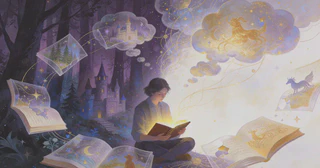
Your sense of who you are is not a fixed biography but a constantly evolving story you tell yourself. This story does not emerge from thin air. The narrative structures found in fairy tales, myths, and cultural stories become the invisible scripts through which you interpret your experiences, assign meaning to events, and author your identity. Every fairy tale character from your childhood represents a potential role you might step into: the patient sufferer, the clever trickster, the innocent victim, the wise guide. Through somatic awareness and parts work with these archetypal figures, you can recognize which inherited narratives are running your life and consciously choose more empowering stories.
This article explores the deep connection between fairy tale structures and inner narration, the constant subjective dialogue through which you make sense of your experiences. You will learn to notice in your body which archetypal roles feel activated, practice dialogue with the various parts of your psyche that these characters represent, and develop the capacity to consciously edit your narrative identity for greater coherence, resilience, and authentic expression.
🎯 THE BENEFITS OF RECOGNIZING YOUR FAIRY TALE NARRATIVES
“I realized I’d been waiting for a prince to rescue me for 20 years. Turns out I’m actually the dragon.” - Anonymous
Understanding how fairy tales shape your inner narration offers profound psychological and practical benefits that ripple through every aspect of your life.
Enhanced Self Awareness and Pattern Recognition
When you begin to notice which fairy tale roles you habitually adopt, something shifts in your chest. There’s often a sensation of recognition, perhaps a warmth spreading from your solar plexus, or sometimes a tightness as you realize how long you’ve been playing a part that was never truly yours. This awareness manifests as a new clarity in your inner dialogue. Instead of unconsciously narrating yourself as the victim awaiting rescue, you might catch yourself mid-thought and feel the difference between that old story and a more empowering one. The body registers this shift as an opening, a sense of more space in the ribcage, easier breathing.
Greater Narrative Flexibility and Resilience
Research shows that people who can construct redemptive narratives about difficult experiences report higher levels of wellbeing and psychological health. When you understand that your life story is not fixed but constantly being authored, you experience a physical sense of possibility. This shows up as a subtle relaxation in the jaw, a lessening of tension in the shoulders. You begin to hold your experiences more lightly, recognizing that the meaning you assign to events is malleable. A setback that once would have fit neatly into a contamination narrative (where bad things prove your unworthiness) can be reframed into a chapter of growth. Your nervous system registers this flexibility as safety, showing up as deeper breaths and a sense of groundedness in your belly.
Improved Integration of Rejected Parts
Fairy tale characters often represent aspects of yourself you’ve disowned or rejected. The witch might be your power and anger, the innocent child your vulnerability, the trickster your creativity and spontaneity. When you dialogue with these figures through parts work, people often report feeling a warmth or tingling in specific areas of their body. As the rejected angry part is welcomed back, some feel heat rising through their core, a sense of energy returning. As the vulnerable child part is acknowledged, there might be a softening around the heart, perhaps even tears, accompanied by a feeling of coming home to yourself.
Enhanced Agency and Authorship in Daily Life
Understanding your narrative identity as an authored story rather than a predetermined fate creates a palpable shift in how you move through the world. This often shows up as a forward lean in the body, a willingness to initiate rather than wait, a sense of your feet more solidly planted on the ground. People describe feeling their spine lengthen, their gaze lift, as they step out of passive fairy tale roles (the sleeping beauty, the patient Cinderella) and into more active authorship. Decision making becomes clearer when you’re not unconsciously following an inherited script about what’s “supposed” to happen next.
Deeper Emotional Processing and Meaning Making
When traumatic or difficult experiences are reframed through fairy tale structure (the journey through the dark forest, the tests that strengthen the hero, the transformation that emerges from suffering), they become emotionally digestible. Therapists using narrative approaches report that clients experience physical relief when their fragmented experiences are woven into a coherent story. The body holds trauma as disjointed fragments; storytelling integrates these fragments. Clients describe feeling a settling in their nervous system, a sense of their scattered pieces coming back together, often experienced as a wave of warmth moving through the torso or a release of long-held tension in the chest.
Improved Relationships Through Narrative Co-Creation
Your identity narrative is not created in isolation but co-created through conversation with others. When you share your story and others help you shape and understand it differently, there’s often a physical sensation of being met and seen. This registers in the body as a warmth in the chest, a moistening of the eyes, a sense of expansion. Learning to recognize fairy tale patterns in your own narration helps you hear them in others’ stories too, creating deeper empathy and connection. The capacity to witness someone else’s narrative without imposing your own, while offering alternative frames when helpful, is a somatic skill felt as a quiet alertness, an open curiosity registered as relaxed attention in your face and belly.
“Started therapy to fix my story. Ended up realizing I’m the author, not the character.” - Anonymous
🏛️ ORIGINS OF FAIRY TALES AND NARRATIVE IDENTITY ACROSS CULTURES AND HISTORY
Ancient Roots: Oral Tradition and Collective Wisdom
Long before written language, humans gathered around fires and shared stories. These weren’t mere entertainment but essential psychological technology for transmitting wisdom, shaping identity, and making sense of life’s challenges. Indigenous cultures worldwide recognized that stories are how we know ourselves. Australian Aboriginal dreamtime stories, Native American teaching tales, African folk stories all served the same function: they provided narrative templates through which individuals could understand their place in the cosmos and their journey through life stages.
What’s remarkable is how similar these stories are across vastly different cultures. The youngest child who succeeds through cleverness appears in Chinese, Persian, European, and Native American tales. The journey into the dark forest to find treasure or transformation is nearly universal. The transformation from beast to prince, from rags to nobility, from death to rebirth these archetypal patterns repeat because they mirror actual psychological processes all humans undergo.
Eastern Traditions: Story as Path to Self Knowledge
In Buddhist and Hindu traditions, storytelling has always been recognized as a path to understanding the nature of self and consciousness. The Jataka tales (stories of Buddha’s previous lives) and the Panchatantra served similar functions to Western fairy tales: they were narrative structures through which practitioners could recognize patterns in their own consciousness. The concept of “maya” (illusion) in Hindu philosophy directly relates to narrative identity: the understanding that the story you tell about yourself is not ultimate reality but a constructed narrative that can be seen through and transcended.
Zen Buddhism uses koans (paradoxical stories) to disrupt habitual narrative patterns and reveal the constructed nature of the self. This parallels modern narrative therapy’s understanding that loosening attachment to fixed stories about yourself opens possibilities for transformation.
Western Development: From Oral Tales to Psychological Science
The Brothers Grimm in the early 1800s began collecting what they called “wonder tales,” recognizing that these stories carried something essential about human psychology. They noticed that as stories passed through generations and across cultures, personal elements fell away while archetypal patterns persisted. Only the stories that resonated with universal human experience survived.
By the late 19th and early 20th centuries, psychologists began systematically studying these patterns. Sigmund Freud saw fairy tales as expressions of unconscious wishes and fears. Carl Jung went further, proposing that fairy tale characters represent aspects of the collective unconscious, universal psychological patterns inherited by all humans.
Mid 20th Century: The Therapeutic Turn
Bruno Bettelheim’s 1976 work “The Uses of Enchantment” brought fairy tale psychology into mainstream therapeutic practice. Though some of his methods have since been questioned, his core insight remains valid: fairy tales help children (and adults) process difficult emotions, understand inner conflicts, and imagine solutions to seemingly impossible problems.
Marie-Louise von Franz, Jung’s colleague, spent decades demonstrating that fairy tales represent “the purest and simplest expression of collective unconscious processes.” She showed how each tale depicts a psychological journey, a movement toward wholeness and integration.
Contemporary Understanding: Narrative Identity Research
In the 1980s and 1990s, psychologists like Dan McAdams and Jerome Bruner developed the formal study of narrative identity: how individuals construct their sense of self through the stories they tell about their lives. This research revealed that:
- People with coherent, redemptive life narratives report higher wellbeing
- The ability to revise your life story predicts resilience and adaptation
- Cultural narratives provide templates (like fairy tales) that individuals use to structure their personal stories
- Identity is not discovered but actively authored through ongoing narrative construction
NLP’s Contribution: Submodalities and Parts
Neuro-Linguistic Programming, developed in the 1970s by Richard Bandler and John Grinder, added practical tools for working with internal narratives. NLP recognized that:
- Internal representations (the stories we tell ourselves) have specific qualities (submodalities) that can be adjusted
- Different “parts” of the personality (like fairy tale characters) have distinct voices, intentions, and somatic signatures
- Reframing and timeline work can help people consciously revise limiting narratives
- The body holds these stories somatically; changing the story changes the somatic experience
Current Integration: Somatic Narrative Work
Today, cutting edge practitioners integrate narrative psychology, somatic experiencing, and parts work. They recognize that your life story isn’t just cognitive; it lives in your body. The constriction you feel when telling certain stories, the expansion when imagining different endings, these somatic signals reveal which narratives serve your growth and which keep you stuck in inherited roles.
The recognition that fairy tale structures still operate in modern consciousness has led to therapeutic approaches using traditional tales, writing original fairy tales as healing practice, and parts work with archetypal figures. These methods honor both ancient wisdom and contemporary neuroscience, recognizing that the human psyche still responds to story as it always has.
📜 PRINCIPLES OF FAIRY TALE NARRATIVE IDENTITY
Principle 1: You Are Always Already Narrating
Your consciousness is not a passive receiver of experience but an active storyteller constantly weaving events into narrative. This happens so automatically you rarely notice it. Right now, as you read this, you’re placing this experience into an ongoing story about who you are and why you’re here. Is this the story of “someone seeking growth”? “Someone who studies psychology”? “Someone trying to fix themselves”? Each frame creates a different somatic experience. Notice what happens in your body when you try on different narrative frames for this very moment.
The fairy tale structures you absorbed in childhood become the default templates for this constant narration. You might not consciously think “I’m Cinderella waiting for rescue,” but the felt sense of waiting, of being overlooked, of expecting eventual recognition these are the somatic signatures of that archetypal pattern operating beneath awareness. Learning to notice your inner narration is the first step toward conscious authorship.
Principle 2: Every Character is an Aspect of Your Psyche
In dreams, every character represents some part of you. The same is true for fairy tales. When you identify with Little Red Riding Hood, you’re not just the innocent girl but also the wolf (your hunger and aggression), the grandmother (your wisdom), the woodsman (your capacity for protection), and the dark forest itself (the unknown within you).
This is crucial for understanding inner narration. The voices in your head are not random; they’re distinct parts, each with its own role, intention, and somatic signature. The critical voice might feel like tightness in your throat, the fearful child part like contraction in your belly, the wise guide like warmth in your chest. When these parts are at war (the inner critic attacking the vulnerable child), you experience internal conflict. When they dialogue and integrate, you experience coherence.
Fairy tales model this integration process. The heroine who befriends animals, receives help from magical beings, and transforms curses into blessings is demonstrating how to relate to your various inner figures not with rejection but with curiosity and respect.
Principle 3: The Story You Tell Shapes the Life You Live
Research on narrative identity consistently shows that the stories people tell about their past predict their future more accurately than the objective facts of what happened. Two people can experience similar childhood challenges, but one constructs a redemption narrative (“those difficulties made me strong”) while another constructs a contamination narrative (“I was damaged and I’ll never recover”). These different stories lead to radically different life outcomes.
Somatically, you can feel the difference. Speak aloud a contamination version of a difficult experience in your life. Notice the heaviness in your chest, the drooping in your shoulders, perhaps a sinking sensation in your belly. Now reframe that same experience into a redemption narrative, a story of growth through adversity. Feel how your posture shifts, how your breathing deepens, how energy moves differently through your body. The facts didn’t change, but the story did, and your nervous system responds to story, not to facts.
Fairy tales demonstrate this principle beautifully. The same external circumstances (poverty, being orphaned, facing danger) lead to completely different outcomes depending on how the protagonist narrates their journey. The victim stays stuck; the hero transforms.
Principle 4: Coherence Matters More Than Positivity
A coherent narrative isn’t necessarily a happy one, but it’s one where events make sense together, where there’s connection between past, present, and future. Research shows that narrative coherence predicts wellbeing more reliably than having only positive content. Someone who can tell a complex story that includes both suffering and growth, both loss and meaning, shows more resilience than someone who denies difficulty or, conversely, sees only contamination.
Your body recognizes coherence. When the story you’re telling makes sense, when the pieces fit, there’s a settling sensation, a feeling of “yes, this is true.” When you’re forcing a narrative that doesn’t quite fit, there’s discord: tension in the jaw, a sense of something not quite right in your gut, a fragmentation in how you hold yourself.
Fairy tales model this coherence through their clear structure: beginning (normal world), challenge (entrance into the unknown), tests and trials, transformation, and resolution. Even when the content is difficult, the structure provides coherence, helping the psyche digest and integrate difficult experiences.
Principle 5: You Inhabit Multiple Narratives Simultaneously
You don’t have just one life story but many, depending on context and audience. The story you tell your therapist differs from what you share with new friends, which differs from your inner dialogue. Some of these stories conflict. You might tell yourself you’re confident while narrating yourself as insecure in your journal.
Each narrative lives in your body differently. Notice how you hold yourself when telling the “successful professional” story versus the “struggling imposter” story. Different postures, different breathing patterns, different facial expressions, all arising from which narrative frame is active.
Fairy tales acknowledge this multiplicity. Characters often have secret identities, hidden names, dual natures. The beast is also a prince. The cinder girl is also royalty. These aren’t contradictions but recognition that identity is complex and multifaceted. The work is not to choose one true story but to recognize the full range of narratives available to you and choose consciously which to inhabit in different contexts.
Principle 6: Transformation Requires Descent
Nearly every fairy tale includes a journey into darkness: the forest, the underworld, the witch’s house, the belly of the whale. This isn’t coincidental but essential. Psychological transformation requires confronting what you’ve avoided, rejected, or denied. The parts of yourself you’ve banished to the unconscious must be met and integrated.
Somatically, this descent feels like moving toward contraction rather than expansion, toward discomfort rather than comfort. It might manifest as heaviness in your chest as you acknowledge grief you’ve been avoiding, or trembling as you face a fear you’ve been denying. Your nervous system says “danger,” but this is the danger of growth, not threat.
The fairy tale structure reassures: the descent is not the end but the middle. Characters who refuse the descent stay stuck. Those who enter the dark forest, follow the strange path, accept the challenge find transformation on the other side. Your narrative identity develops through similar descents: willingness to examine the stories you’d rather not tell, to meet the parts you’d rather reject, to question the narratives you’ve held as sacred.
Principle 7: The Witness Changes the Story
Who listens to your story matters profoundly. A compassionate witness helps you author a more coherent, empowering narrative. A judgmental audience reinforces shame and contraction. This is why narrative identity is co-created, not solitary.
In therapy, in intimate relationships, in meaningful friendships, you experience how another person’s presence can shift your story. As you speak and they listen with curiosity rather than judgment, you hear yourself differently. Parts of your experience that seemed unacceptable become speakable. The story that felt fixed reveals flexibility.
Somatically, this shows up as the difference between speaking into receptive space versus defended space. Notice how your body opens when someone truly listens: breath deepens, shoulders drop, voice finds resonance. Notice how you contract when someone judges or interrupts: chest tightens, voice thins, words become careful.
Fairy tales model this through characters who listen and bear witness: the wise old woman, the magical helper, the animal guide. These figures don’t rescue the protagonist but offer presence, questions, and alternative perspectives. They change the story simply by witnessing it differently.
🗨️ GUIDING CLIENTS IN FAIRY TALE PARTS WORK
Observation and Presence
Position yourself at the Client’s side to unobtrusively observe subtle shifts in facial expressions, gestures, and skin tone while ensuring you do not interfere with their imaginative process or metaphor creation.
Vocal Modulation
Use a gentle, melodic, and unhurried tone when speaking, allowing your voice to foster calm and receptivity.
Genuine Engagement
Demonstrate active interest in the Client’s process by listening attentively and supporting their exploratory journey.
Reflective Communication
Echo the Client’s words and delivery style. For example, if the Client describes an exciting moment with a bright expression, quicker speech, and a higher tone, mirror these qualities in your response. As a practitioner, strive to match their affective cues, or consider formal training in expressive techniques to enhance these skills.
Connecting Experience and Inquiry
Seamlessly link questions and reflections to the Client’s experiences using coordination (e.g., and, as, when), ensuring a smooth and empathetic flow throughout the interaction.
Introducing the Work
Begin by inviting the client to notice their inner dialogue. “As you sit here right now, what are you aware of in your inner conversation? Is there a voice commenting on this process? What does it say?” Watch for subtle shifts in their expression as they tune into this internal narration.
Then introduce the fairy tale frame: “These voices inside, they’re not random. They often sound like characters from stories we absorbed long ago. There might be an inner critic who sounds like the witch, or a fearful part that feels like the lost child in the forest, or perhaps a wise voice that offers guidance like the fairy godmother. Each of these is a part of you, trying to help in its own way.”
Identifying Active Archetypal Roles
“Think about a situation in your life right now where you feel stuck or conflicted. As you think about it, notice what happens in your body.” Guide them to track sensations: tightness, warmth, contraction, opening.
“And as you notice those sensations, if that part of you that feels stuck could be a character from a fairy tale, who would it be? Don’t think too hard; let an image arise.” Common responses include: Cinderella (overlooked, waiting), Sleeping Beauty (dormant, waiting for activation), the youngest son (underestimated), Red Riding Hood (naive, vulnerable), the beast (ashamed, hidden).
“And where do you feel that character in your body right now?” Help them locate the somatic signature: “Is it in your chest, your throat, your belly? What’s the quality of that sensation?”
Exploring the Part’s Positive Intention
Every part, even those that seem problematic, has a positive intention. The inner critic trying to keep you safe from rejection. The fearful child trying to protect you from danger. “If you could ask this part what it’s trying to do for you, what would it say?”
Watch their face soften as they recognize that even difficult parts are trying to help. “And as you understand this part’s intention, what happens in your body? Does that sensation shift or change?”
Identifying Additional Parts
“When this [Cinderella] part is active, waiting to be noticed, is there another part that has an opinion about that? Perhaps a part that’s frustrated with the waiting?” This often reveals the inner conflict: one part playing the patient sufferer, another part angry about the passivity.
“If that frustrated part could be a fairy tale character, who would it be?” Perhaps the wolf (angry, hungry), the witch (powerful, forbidden), or the woodsman (action oriented, protective).
“Where do you feel that part in your body? How do these two parts relate to each other somatically? Do they create tension, push and pull?”
Facilitating Dialogue Between Parts
“What would happen if these two parts could talk to each other? If the Cinderella part could speak to the wolf part, what would she say?” Guide them to voice this aloud, noticing shifts in posture, tone, and breathing as different parts speak.
“And what would the wolf part say back?” Typically, these dialogues reveal that parts are trying to balance each other but don’t know how to work together.
Uncovering Core Needs
“If both of these parts could have what they truly want, what would that be?” Help them move beneath the surface strategies to underlying needs. Cinderella doesn’t actually want to wait; she wants to be valued. The wolf doesn’t want to destroy; it wants to protect dignity.
“And when you think about both parts having their deepest needs met, what happens in your body? Is there a way they could both be satisfied?”
Integrating Through Somatic Awareness
“Imagine both parts present together in your awareness. The patient, hoping Cinderella and the fierce, protective wolf. Feel them both. What happens when they stop fighting and simply coexist?”
Often, there’s a physical integration: tension releasing, breath deepening, a sense of more space internally. “Notice how that feels different than when they were in conflict. This is what it feels like when parts integrate.”
Identifying the Wise Witness Part
“And there’s a part of you that’s been noticing all of this, the part that can see both the Cinderella and the wolf with compassion and curiosity. That’s your witness, your inner wise guide. Where do you feel that part? What’s its quality?”
This metacognitive part, the one that can observe without being overwhelmed, is crucial for continued self-authorship. “This witness part can help you notice when you’re unconsciously playing out old fairy tale roles and choose consciously how you want to respond.”
Testing and Anchoring
“Think again about that stuck situation we started with. As you think about it now, with these parts integrated and your witness active, how does it look different? What new possibilities emerge?”
Watch for shifts in body language, energy, and narrative frame. “And as you feel this new way of holding the situation, where do you feel it most strongly in your body? That’s your anchor point. When you need to remember this integration, you can touch that spot and recall this felt sense.”
Future Pacing
“Imagine a situation in the future when that old Cinderella pattern might get activated. And as you imagine it, notice that you now have choices. Your fierce wolf part can be there, and your wise witness can be there too. How would you navigate that situation differently?”
Guide them through several future scenarios, helping them practice accessing integrated parts rather than automatically falling into unconscious roles.
Integration Homework
“This week, notice when fairy tale narratives become active in your inner dialogue. ‘I’m the victim here.’ ‘I’m waiting to be chosen.’ ‘I have to suffer before things improve.’ Just notice, without judgment. And when you notice, ask: which part is speaking? What does it need? How does my witness see this situation?”
Encourage them to journal these observations, noting both the narrative content and the somatic experience of different roles activating.
💧 FAIRY TALE PARTS WORK AXEL MAGNUS SCRIPT BASED ON NLP PRINCIPLES
“Discovered my inner child isn’t a child at all. She’s apparently a 900 year old wizard stuck in a tower. That explains a lot.” - Anonymous
This session demonstrates Parts Integration with Archetypal Fairy Tale Characters, utilizing NLP principles of identifying part representations, exploring positive intentions, and facilitating dialogue between conflicting parts.
Axel Magnus: [Sitting slightly to the side, voice soft and curious] So, Mara, you mentioned feeling stuck between wanting to express yourself and holding yourself back. I’m curious, as you think about that right now, what happens in your body?
Client (Mara): [Shifts in chair, hand moving to throat] There’s this tightness, right here in my throat. Like something wants to come out but can’t.
Axel Magnus: [Nodding, leaning slightly forward] Right there in your throat. And if that tightness, that part of you that wants to express but can’t, if it could be a character from a fairy tale, who might that be? Just let an image arise, don’t think too hard.
Client: [Eyes widen slightly] Oh. Little Mermaid. She gave away her voice.
Axel Magnus: [Voice gentle] Little Mermaid who gave away her voice. [Pauses] And as you feel that part, that mermaid part in your throat, what does she want more than anything?
Client: [Voice softening, slight forward lean] She wants to be seen. To be loved. But she thinks she has to be silent to be acceptable.
Axel Magnus: [Observing microexpression of sadness cross Mara’s face] She thinks she has to be silent to be acceptable. [Matches Mara’s softer tone] And where else do you feel that in your body, Mara? This belief that silence equals acceptability?
Client: [Hand moving to chest] Here, like a weight. Heavy.
Axel Magnus: A weight in your chest. [Pause] And this mermaid part, she’s been carrying that weight for how long?
Client: [Eyes glistening] Since I was a kid. Since I learned that when I spoke up, people got upset. Better to stay quiet, stay small.
Axel Magnus: [Voice warm with recognition] So this mermaid part developed a strategy: stay quiet, stay safe. She’s actually trying to protect you, isn’t she?
Client: [Surprised] I never thought of it that way. I just thought she was weak.
Axel Magnus: [Gently] She’s not weak. She’s a protector. [Pause] And I’m curious, when you think of her as weak, is there another part of you that has that judgment? A part that’s frustrated with the silence?
Client: [Sitting up straighter, energy shifting] Yes! There’s this other part that’s so angry about it. That wants to scream, to take up space, to stop being invisible.
Axel Magnus: [Matching the energy shift with slight intensification in voice] Yes, a part that wants to scream and take up space. And if that part could be a fairy tale character, who would that be?
Client: [Without hesitation] The wolf. The big bad wolf. Hungry and angry and done with being nice.
Axel Magnus: The wolf. [Pause] And where do you feel the wolf in your body?
Client: [Hand to belly] Low, in my gut. Like fire.
Axel Magnus: Fire in your gut. [Observing flush in her cheeks, quickened breathing] And what does the wolf part think about the mermaid part?
Client: [Voice harder] She thinks she’s pathetic. That she gave away her power for nothing. That she should just grow a spine and speak up.
Axel Magnus: [Nodding] So the wolf is frustrated with the mermaid. They’re in conflict, these two parts. [Pause, voice softening] And yet, Mara, both of them want something for you. The mermaid wants you safe and loved. What does the wolf want?
Client: [Pause, voice catching] She wants me to be free. To stop hiding. She wants me to matter.
Axel Magnus: [Leaning in slightly] To be free and to matter. [Long pause] So both parts want something important. Safety and love. Freedom and mattering. They just have very different strategies.
Client: [Breathing deeper, hand still on belly] I never saw it like that. I thought they were enemies.
Axel Magnus: [Gently] What if they’re not enemies but allies who haven’t learned to work together yet? [Pause] I’m curious what would happen if the mermaid part could speak directly to the wolf part. If she could tell the wolf what she needs, what would she say?
Client: [Closing eyes, speaking in softer voice] “I know you’re frustrated with me. But I’m scared. Every time I tried to speak before, people left. I can’t risk that again.”
Axel Magnus: [Voice matching her softness] “I’m scared… I can’t risk that again.” [Pause] And what would the wolf say back to the mermaid?
Client: [Shift in posture, voice stronger but not harsh] “I know you’re scared. But look what silence has cost us. We’re invisible. We matter so little that people don’t even know we exist. That’s not safety, it’s erasure.”
Axel Magnus: [Observing tear rolling down Mara’s cheek, her hand moving from belly to heart] “That’s not safety, it’s erasure.” [Long pause, letting that land] And as you feel both parts speaking their truth, what’s happening in your body right now?
Client: [Eyes opening, voice thick with emotion] There’s sadness. So much sadness. They’ve both been trying so hard, in opposite directions, and we just ended up nowhere.
Axel Magnus: [Hand to own heart, mirroring] They’ve both been trying so hard. [Pause] And underneath their strategies, underneath the silence and the anger, what is it they both truly want for you? Not how they want to achieve it, but what they most deeply want?
Client: [Long pause, breathing deeply, hand pressing against chest] They both want me to exist. Fully. To be real.
Axel Magnus: [Voice soft with recognition] To exist fully. To be real. [Pause] And when you think about that, about both parts wanting you to exist fully and be real, what happens in your body?
Client: [Visible shift, shoulders dropping, breath deepening] There’s a warmth. Starting in my chest and spreading. Like both parts are… settling.
Axel Magnus: [Nodding slowly] Settling. [Pause] And I’m wondering, Mara, if there’s a part of you that’s been watching all of this. Watching the mermaid and the wolf, understanding both of their fears and their desires. A wiser part that can hold both with compassion.
Client: [Small smile emerging] There is. She feels older, quieter. Not silent like the mermaid, but quiet in a different way. Steady.
Axel Magnus: Steady. [Pause] And if that wise, steady part could be a fairy tale character, who might she be?
Client: [Eyes brightening] The fairy godmother. But not the Disney version. More ancient. More knowing.
Axel Magnus: More ancient, more knowing. [Pause] And where do you feel that part?
Client: [Hand moving to the center of chest, above heart] Right here. Like an anchor.
Axel Magnus: An anchor. [Observing her breathing has become slower, more rhythmic] And what does this fairy godmother part know about the mermaid and the wolf that they don’t yet know about each other?
Client: [Pause, eyes unfocused in accessing] She knows they’re two sides of the same need. The mermaid protects connection, the wolf protects authenticity. We need both.
Axel Magnus: [Leaning back slightly, creating space] We need both. [Long pause] And what would happen, Mara, if next time you’re in a situation where you need to express yourself, all three parts were present? The mermaid’s sensitivity to connection, the wolf’s fierce authenticity, and the fairy godmother’s wisdom to know which is needed when?
Client: [Body visibly more relaxed, slight smile] That would feel different. Like I’d have choices instead of just reacting.
Axel Magnus: Choices instead of just reacting. [Pause] Let’s try something. Think of a specific situation coming up where you’ll need to express yourself. Got one?
Client: [Nodding] Yes. Team meeting next week. There’s a decision being made that I disagree with, but I haven’t said anything.
Axel Magnus: Team meeting where you disagree but haven’t spoken. [Pause] And as you imagine being in that meeting with all three parts present, the mermaid, the wolf, and the fairy godmother, what do you notice?
Client: [Closing eyes, breathing] The mermaid notices who might be hurt by what I say. The wolf knows what needs to be said anyway. The fairy godmother helps me find words that are both true and kind.
Axel Magnus: [Nodding] Words that are both true and kind. [Pause] And how does your body feel as you imagine speaking from that integrated place?
Client: [Opening eyes, hand still on chest center] Strong. Not aggressive, not apologetic. Just… clear. Like my throat and my gut and my heart are all aligned.
Axel Magnus: [Smiling] Throat, gut, and heart aligned. That’s what integration feels like. [Pause] And you can remember this by touching that spot where the fairy godmother lives, right there where your hand is now. That’s your anchor. When you need to access this integrated state, touch that spot and recall this feeling.
Client: [Touching chest consciously, nodding] Yes. I can feel it.
Axel Magnus: [Gently] This week, just notice when the mermaid or the wolf takes over completely. Don’t judge it, just notice. And see if you can invite the fairy godmother in too, to help them work together. Notice what happens in your body when you do.
Client: [Taking a deep breath, visible settling] Thank you. This feels like finding a part of myself I forgot existed.
Axel Magnus: [Warmly] You didn’t forget her. She’s been there all along, just waiting to be recognized.
[Session demonstrates NLP Parts Integration: identifying parts through somatic and archetypal imagery, exploring positive intentions, facilitating dialogue between parts, discovering shared deeper intention, introducing witness/integrator part, and anchoring the integrated state for future use.]
💪 MEDITATION FOR RECOGNIZING YOUR FAIRY TALE NARRATIVES
Begin by finding a comfortable position, and as you settle in, you might notice how your body already knows what it needs, perhaps shifting slightly, finding that place where you can be both alert and at ease.
And you can allow your eyes to close, or if you prefer, let your gaze soften on a point somewhere in front of you, as your awareness begins to turn inward, becoming curious about what you might discover in these next few moments.
Start by noticing your breathing, not changing it, just becoming aware of the rhythm that’s already there, the natural flow of air moving in and out, and you might notice how each breath is slightly different, how your body breathes you without any effort at all.
And as you continue breathing, you can begin to scan through your body, starting perhaps at the crown of your head, noticing any sensations there, perhaps tingling or warmth or simply the weight of your skull, and allowing your awareness to move slowly down across your forehead, relaxing any tension you might find there, or simply noticing whatever is present.
Your awareness can drift down to your eyes, and you might notice how it feels to let them rest, to release the work of focusing and seeking, and perhaps you discover a softening around your temples, across your jaw, a letting go that’s already beginning to happen.
And as you continue down through your neck and throat, you might become curious about what lives there, what wants to be expressed or has been held back, and rather than judging whatever you find, you can simply meet it with gentle curiosity, the way you might encounter a character in a story, wondering about their journey.
Let your attention settle into your chest now, that spacious area around your heart and lungs, and notice what stories might be held there, perhaps stories of protection or longing, stories of hurt or hope, and you can begin to wonder if those stories have a shape or color or character, allowing images to arise naturally, without forcing.
And it’s possible that as you rest your awareness in your chest, a fairy tale character might come to mind, someone familiar from childhood or a figure that seems to belong to this moment, and you might be surprised to discover who appears, or you might find that you already knew somehow that this character lives inside you.
As this character becomes clearer, notice where in your body you feel their presence most strongly, perhaps in your chest where your awareness already rests, or maybe they inhabit your throat or your belly or even your hands, and you can become curious about the texture of that feeling, whether it’s warm or cool, expanding or contracting, heavy or light.
This character, whoever they are, has been part of your story for a long time, playing a role in the narrative you tell yourself about who you are, and you might begin to wonder what they’ve been trying to accomplish, what they want for you, even if their methods haven’t always served you.
Allow yourself to appreciate this character’s positive intention, the way the protective witch wants to keep you safe, the way the patient princess believes in eventual recognition, the way the clever youngest child knows you can succeed through intelligence rather than force, and as you acknowledge their good intentions, notice what happens in your body, perhaps a softening or warming or a sense of being understood.
And while one character holds space in your awareness, you might discover that another figure is present too, perhaps one that has a different strategy, a different voice in your internal conversation, maybe even one that conflicts with the first, and you can invite this second character into your awareness as well, noticing where they live in your body.
Perhaps there’s the patient one and the impatient one, the innocent one and the knowing one, the one who waits and the one who acts, and rather than choosing between them or judging one as better, you can simply notice how it feels to hold both in your awareness simultaneously, the way a story holds multiple characters without needing to eliminate any of them.
And as you breathe with both characters present, you might begin to sense that there’s a deeper part of you watching this process, a wise witness who understands that you’re not just the mermaid or just the wolf, not just the patient sufferer or just the fierce warrior, but something larger that contains them all, and this witness might feel like a settling in your center, a steady presence that doesn’t need anything to be different than it is.
This witness part might appear as another fairy tale character, perhaps the wise one who lives in the forest, the ancient one who knows how stories work, the guide who appears when the traveler is lost, and you can allow yourself to feel where this wise witness lives in your body, perhaps as an anchor point at your heart center or a groundedness in your belly.
From this witness place, you can observe how your various parts, your various characters, have been trying to author your story, sometimes working together and sometimes in conflict, and you might begin to understand that you have the capacity to choose consciously which character to bring forward in different situations, to author your narrative rather than being authored by inherited scripts.
And it’s possible that as you rest in this awareness, you begin to notice how different it feels to be the conscious author rather than the unconscious character, how there’s more space somehow, more possibility, as if the story that felt fixed suddenly reveals multiple potential endings.
Take a few moments now to simply rest in this expanded awareness, breathing with the knowledge that you contain multiple characters, multiple narrative possibilities, and that your wise witness can help you navigate between them, choosing the role that serves each moment rather than automatically replaying old scripts.
And when you’re ready, you can begin to bring your awareness back to the room, noticing sounds around you, the feeling of your body in the chair, and as you return, you might bring back with you this sense of being both the characters and the author, both the story and the storyteller.
Perhaps wiggling your fingers and toes, taking a deeper breath, and when it feels right, allowing your eyes to open, returning to the room with a renewed sense of your capacity to recognize and consciously work with the fairy tale narratives that shape your inner world.
🗣️ ANECDOTE ABOUT FAIRY TALE NARRATIVE INTEGRATION
Marcus came to his first session carrying himself like someone bracing for impact. His shoulders were pulled up toward his ears, his jaw locked, and when he sat down, he perched on the edge of the chair as if ready to flee.
“I don’t know if this will help,” he said, his voice tight, “but I’m tired of feeling like I’m waiting for my life to actually start.”
As we talked, a pattern emerged. Marcus was 38, had been in the same mid-level management position for seven years, lived alone, had dated occasionally but nothing serious, and described himself as “not unhappy but not really living either.” The word he kept using was “waiting.”
“Waiting for what?” I asked.
His face flushed slightly. “I don’t know. For someone to notice me? For an opportunity to fall in my lap? For permission, maybe. I know it sounds stupid.”
I invited him to notice where in his body he felt that waiting. His hand went immediately to his chest. “Here. Like a hollow feeling. Like I’m on hold.”
“If that part of you that’s waiting could be a character from a story, who would it be?”
He laughed uncomfortably. “This is going to sound ridiculous, but Sleeping Beauty. Just… dormant. Waiting for something external to wake me up.”
The recognition seemed to embarrass him, but I saw something shift in his posture, a slight forward lean. Some part of him knew this was true.
Over the next twenty minutes, we explored this Sleeping Beauty part. When had it developed? Around age ten, he realized, when his parents’ volatile divorce had made the house feel dangerous. Becoming still and quiet had been his survival strategy. Don’t draw attention. Don’t make waves. Wait for the storm to pass.
“And did the storm pass?” I asked.
“Eventually. But I guess I never stopped waiting.”
As we sat with this, I noticed him touching his chest repeatedly, that hollow place. Then his energy shifted. His jaw tightened, his hands formed fists.
“There’s another part,” he said, voice harder. “One that’s furious about the waiting. That thinks I’m pathetic.”
“If that part could be a character from a story, who would it be?”
“The beast from Beauty and the Beast. Trapped, angry, ashamed. Just… rage at being locked away.”
The beast part lived in his gut, he said, like fire. It came out sometimes in private, punching pillows, yelling in his car, but never in public, never where anyone could see.
I asked what the beast part thought about the Sleeping Beauty part.
“That she’s wasting our life. That every year we wait is a year lost. That we’re going to die having never actually lived.”
His breathing had quickened, his face flushed. I could see both parts in his body simultaneously: the contracted chest and the fire in his belly, pushing against each other, creating the paralysis he described.
“What does the beast want for you?” I asked.
His voice caught. “To matter. To be seen. To stop being invisible.”
“And what does Sleeping Beauty want?”
A long pause. “Safety. To not be hurt again.”
“So one part wants safety through waiting, and another wants aliveness through action. They’re at war.”
He nodded, and I watched tears form in his eyes.
I guided him to let both parts speak to each other. The dialogue that emerged was raw. Sleeping Beauty told the beast, “You’re so angry you’ll destroy everything. You’ll push people away. I’d rather wait forever than risk your rage making things worse.”
The beast replied, “You’re so afraid you’ve made us a ghost. People can’t even see us to hurt us because we barely exist. That’s not safety, that’s death.”
As these parts spoke through Marcus, his body was in constant motion, shifting between contracted and expansive, quiet and intense. Then something broke. He put both hands on his chest and belly simultaneously and started sobbing.
“They’re both terrified,” he said. “They both think the other one will destroy us.”
We sat with that recognition for several minutes, and I watched his breathing gradually deepen and slow. Then I asked if there was a part that could see both with compassion.
He was quiet for a long time, eyes closed. Then: “Yes. An older part. He knows both the beast and the princess are young, trying their best with limited strategies.”
“If that part could be a character?”
“The wizard. The mentor who guides the hero.”
The wizard, he said, lived at his heart center, felt steady and warm. From that place, he could see that both younger parts needed to be integrated, not eliminated. The princess’s sensitivity was valuable; the beast’s passion was vital. The work wasn’t choosing between them but learning when each was appropriate.
We practiced with a scenario from his actual life: a promotion opportunity he’d heard about but hadn’t pursued. From the Sleeping Beauty place, he felt paralyzed, waiting for someone to recommend him. From the beast place, he wanted to storm in demanding recognition. From the wizard place, he could see a middle path: express genuine interest, articulate his qualifications, accept that he couldn’t control the outcome.
His body as he imagined this integrated response was completely different: upright but not rigid, grounded, breath flowing easily. “I feel taller,” he said, surprised.
Over the following months, Marcus reported that noticing which fairy tale part was running his behavior had become automatic. In meetings, he could feel the Sleeping Beauty impulse to stay quiet, acknowledge it, and invite the beast’s energy just enough to speak up. In conflicts, he could feel the beast wanting to attack, appreciate its protectiveness, and let the wizard find words that were honest without being destructive.
The physical changes were remarkable. His shoulders dropped, his jaw softened, he took up more space. He applied for the promotion, didn’t get it, and to his surprise didn’t collapse into dormancy or explode into rage. “The wizard part reminded me that one outcome doesn’t define my story,” he said.
Six months later, he started dating someone seriously. A year after that, he took a risk on a career pivot that terrified the princess and energized the beast, with the wizard helping him navigate the uncertainty.
“I still feel all three parts,” he told me recently. “But now I’m the one choosing which story to tell instead of being trapped in one character forever.”
👣 THE BASIC PROCESS OF RECOGNIZING YOUR FAIRY TALE NARRATIVES
Step 1: Identify Your Inner Dialogue
Begin by simply becoming aware that you have an ongoing internal conversation. Throughout your day, pause periodically and notice: what am I telling myself right now? This inner narration might sound like “I can’t do this,” or “I should have known better,” or “Maybe if I wait a little longer…” Don’t judge the content, just start noticing that this narration is always happening.
Somatically, tune into how different inner narratives feel in your body. When you tell yourself “I’m not good enough,” notice the contraction in your chest or the heaviness in your belly. When you tell yourself “I can handle this,” notice how your posture shifts, how your breathing changes. The story you’re telling yourself in any moment has an immediate physical signature.
Common troubleshooting: If you can’t “hear” your inner voice, try paying attention to your body sensations first. The tightness in your throat often accompanies the thought “I shouldn’t speak up.” The fire in your gut might come with “I’m so angry about this.” Body sensations can reveal the narrative even when the words aren’t conscious.
Step 2: Locate the Narrative in Your Body
Once you’ve identified what you’re telling yourself, find where that story lives physically. Different narratives occupy different territories in your body. Stories about your worth often live in your chest. Stories about your power often live in your belly or solar plexus. Stories about your voice live in your throat.
Place your hand on the area where you feel the narrative most strongly. Describe the sensation: Is it tight or open? Hot or cold? Expanding or contracting? Sharp or dull? Heavy or light? Be as specific as possible. This somatic mapping is crucial because changing your narrative requires changing the physical holding pattern.
What to notice: Often the same narrative appears in the same body location every time. If your “I’m not worthy” story always shows up as constriction in your chest, that somatic marker becomes a early warning system. You can catch the story before it fully takes over your consciousness.
Step 3: Identify the Fairy Tale Character
Ask yourself: If this part of me that’s telling this story could be a character from a fairy tale, who would it be? Don’t overthink this; let an image arise naturally. The first character that comes to mind is usually accurate.
Common characters that emerge: Cinderella (patient, overlooked, waiting for recognition), Sleeping Beauty (dormant, waiting for external activation), Little Red Riding Hood (naive, vulnerable), the Beast (ashamed, hidden), the Witch (powerful but feared), the Wolf (hungry, aggressive, rejected), the Youngest Child (underestimated but clever), the Wicked Stepmother (harsh, critical), the Fairy Godmother (wise, helpful), the Prince/Princess (rescued or rescuing).
Notice your initial reaction to identifying with this character. Is there embarrassment? Recognition? Resistance? These emotional responses are valuable information about how you relate to this part of yourself.
Step 4: Explore the Character’s Positive Intention
Every part, every character, developed for a reason. Ask: What is this character trying to do for me? What does it want? The Cinderella part isn’t trying to make you passive; it’s trying to keep you safe from rejection. The beast part isn’t trying to destroy your life; it’s trying to protect your dignity.
Somatically, you’ll often feel a softening or warming when you recognize a part’s positive intention. The harsh judgment you had toward that part shifts into curiosity or even appreciation. This shift registers physically as relaxation in areas that were tense, deeper breathing, perhaps moisture in your eyes.
Common pitfall: Don’t confuse positive intention with effective strategy. A part can have a wonderful intention but a terrible method. The inner critic might genuinely want to help you succeed, but constant criticism doesn’t actually improve performance. Acknowledge the intention while recognizing the strategy needs updating.
Step 5: Identify Conflicting Parts
Most internal paralysis comes from parts working against each other. Once you’ve identified one character, ask: Is there another part that disagrees with this one? What does that part say? If the first part could be represented by another fairy tale character, who would it be?
Common conflicts: The patient one vs. the impatient one. The one who protects through silence vs. the one who protects through speaking up. The innocent child vs. the knowing adult. The victim vs. the fighter. Notice how these parts often live in different areas of your body, creating physical tension as they push against each other.
When you hold awareness of both conflicting parts simultaneously, notice the physical discomfort this creates. The tension between them is not metaphorical; it’s actual muscular and energetic tension in your body. This is what internal conflict feels like somatically.
Step 6: Facilitate Internal Dialogue
Instead of letting these parts fight unconsciously, bring them into conscious conversation. Speak aloud (if you’re alone) or write in your journal, giving voice to each part. Let the Cinderella part say why she needs to wait, why it’s unsafe to act. Then let the wolf part respond, explaining why waiting is its own form of suffering.
As each part speaks, notice your posture, tone, and breathing shift. Different parts literally change your physiology. Pay attention to these shifts; they confirm you’re actually accessing different aspects of your psyche, not just having an abstract intellectual exercise.
What you’re looking for: A moment when the parts stop attacking each other and start understanding each other’s fears and needs. Often there’s a physical release when this happens, a sense of “oh, we’re actually on the same team.”
Step 7: Identify the Witness Part
There’s a part of you observing this entire process, capable of holding all the other parts with compassion and curiosity. This is your wise witness, your integrator, the part that can author your narrative rather than being unconsciously driven by it. Ask: What part of me can see all of these characters without being overwhelmed by any single one?
This witness often appears as an elder figure, a guide, a wise fairy godmother or wizard. It typically feels stable, grounded, and located in your center (heart or belly). It doesn’t have the urgency of the younger parts but a quieter, steadier presence.
Somatically, accessing the witness creates a sense of more space inside, like you’ve stepped back from the drama and can see it more clearly. Breathing typically becomes slower and deeper. There’s often a settling sensation.
Step 8: Practice Integration
Integration doesn’t mean eliminating parts or choosing one over another. It means having conscious access to all parts and choosing which to bring forward in different situations. Think of a specific challenge you’re currently facing. Imagine meeting it with just the Cinderella part, then just the wolf part, then with both parts and your wise witness coordinating them.
Notice how different these scenarios feel in your body. The integrated state typically feels more coherent, like various parts of you are aligned rather than fighting. You might feel this as your throat, heart, and gut all “agreeing,” or as a sense of being solidly in your center.
Anchor this integrated state by touching a specific spot on your body where you feel it most strongly (often the heart center or belly). This becomes a physical reminder you can access when needed.
Step 9: Notice Patterns in Daily Life
Throughout your week, simply observe when fairy tale narratives activate. You don’t need to fix anything yet; just develop awareness. “Oh, there’s my Sleeping Beauty part, waiting to be chosen instead of taking action.” “There’s my beast part, wanting to attack when I feel threatened.” “There’s my wise godmother, offering a different perspective.”
Track these observations in a journal, noting both the narrative and the somatic experience. Where did you feel it? How did your body change? What triggered the pattern? This meta-awareness is itself transformative.
Step 10: Choose Your Narrative Consciously
With practice, you can catch yourself in the middle of an unconscious fairy tale pattern and choose differently. This isn’t about forcing yourself into a “positive” story but about having genuine choices. Maybe in this situation, the Cinderella energy of patience is actually appropriate. Or maybe it’s time for the wolf’s fierce boundaries. Your wise witness helps you discern which character serves this moment.
Somatically, conscious authorship feels different than unconscious patterns. There’s a sense of agency, of “I’m choosing this” rather than “This is happening to me.” Notice this difference in your body: chosen narratives typically feel more spacious, even if the content is challenging.
▶️ VIDEO ABOUT NARRATIVE IDENTITY AND FAIRY TALES

This presentation explores how the stories we tell about ourselves shape our identity and life trajectory. The video examines narrative psychology research showing that people with coherent, redemptive life narratives demonstrate greater psychological wellbeing. It connects this modern research to the ancient wisdom embedded in fairy tales and myths, showing how these stories provide templates for meaning making and personal transformation.
Key points to watch for: The distinction between objective biographical facts and subjectively constructed life story, the role of cultural narratives in providing scaffolding for personal stories, and practical examples of how reframing your narrative changes your emotional experience and future choices.
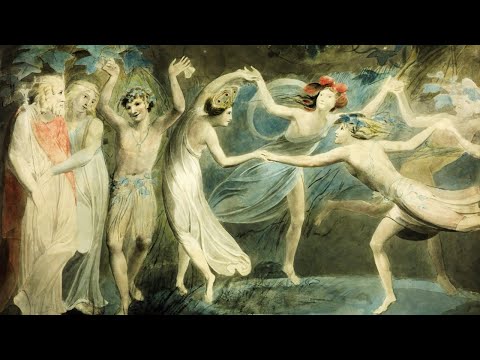
This video demonstrates how fairy tales and myths serve as psychological maps for individuation and self-development. It explores Jungian interpretation of fairy tale characters as representing different aspects of the psyche and shows how these stories model the integration process necessary for psychological wholeness.
Watch particularly for: The explanation of how all characters in a tale represent parts of a single psyche, the symbolic meaning of common fairy tale elements (forests, transformations, magical helpers), and the connection between fairy tale structure and real psychological development stages.
❓ FAQ ABOUT FAIRY TALE NARRATIVE IDENTITY
Question: How do I know which fairy tale patterns are actually operating in my life versus just intellectually interesting comparisons?
Answer: The key differentiator is somatic response. When you hit on a fairy tale pattern that’s actually active in your psyche, your body responds immediately. You might feel a sudden contraction in your chest, warmth spreading through your torso, tears forming, or a recognition that feels physical, not just intellectual. If naming yourself as “Cinderella waiting for the ball” makes you intellectually curious but doesn’t create any physical sensation or emotional resonance, it’s probably not an active pattern. But if it makes your throat tighten or your stomach drop as you realize you’ve been living this way for years, you’ve found something real. Trust your body’s response more than your mind’s analysis.
Question: What if I identify with a character I’m ashamed of, like the victim or the fool?
Answer: Shame about identifying with certain roles is itself valuable information. The parts you’re most ashamed of are often the ones most desperately needing integration. Remember that in fairy tales, the fool often becomes the hero, and the underestimated youngest child typically succeeds where the “superior” older siblings fail. Every role carries both limitations and unique gifts. The work isn’t to stop being the character you’re ashamed of but to understand what that character knows and needs, then integrate it with your other parts. When clients feel shame about a role, I notice they often hold their body in protective positions: crossed arms, hunched shoulders. As they come to appreciate that part’s positive intention, the body literally opens. The shame transforms into self-compassion, which feels like warmth in the chest and relaxed breathing.
Question: Can I change my life narrative if it’s been the same for decades?
Answer: Research on narrative identity consistently shows that life stories are remarkably flexible throughout the lifespan, and significant narrative revision is possible even in later years. What makes change possible is metacognitive awareness: the ability to recognize that you have a story rather than being your story. When you realize “I’ve been narrating myself as the victim for 40 years” that’s already a different perspective than simply being the victim. The very recognition creates distance and possibility. Somatically, people describe this shift as feeling lighter, as if a weight they didn’t know they were carrying suddenly lifts. The timeline therapy and narrative reframing practices in NLP demonstrate that even decades-old patterns can shift remarkably quickly when approached through both cognitive and somatic channels. Your nervous system can learn new patterns at any age.
Question: What’s the difference between healthy narrative reframing and just telling myself positive lies?
Answer: This is a crucial distinction. Healthy reframing finds the redemptive thread that’s actually present in your experience, not one that denies reality. If you experienced trauma, a genuine redemptive narrative might be “I survived something terrible and developed resilience,” not “It wasn’t that bad” or “Everything happens for a reason.” Your body knows the difference. False narratives create cognitive dissonance that shows up as tension, disconnection, a sense of something not quite right. Authentic reframing creates coherence, which feels like settling, like pieces fitting together, like being able to take a full breath. The test is: Does this narrative honor what actually happened while also recognizing growth or meaning that emerged? Can you feel both the truth of the suffering and the truth of what you learned from it? If you’re dismissing or minimizing real harm, your body will tell you through persistent tension and discomfort.
Question: How do I work with these patterns when I’m triggered in the moment and can’t think clearly?
Answer: Real time pattern recognition during activation is advanced work that requires practice during calm moments first. Start by establishing a somatic anchor when you’re regulated: identify your witness part, feel where it lives in your body, and create a physical anchor (touching your heart center, placing hand on belly, whatever feels right). Practice accessing this anchor daily when you’re calm. Then, when you’re activated, the physical gesture can help you access that witness perspective even when your thinking brain is offline. Initially, you’ll probably only recognize the pattern after the fact (“Oh, my Cinderella part took over in that meeting and I didn’t speak up”). That’s perfect; post event awareness is the first step. With practice, you’ll catch patterns faster, eventually recognizing them mid-activation, and finally, catching them before they fully activate. The body recognition usually comes before cognitive recognition, so train yourself to notice physical signatures: “When my throat gets tight and I feel small, that’s usually my silenced child part.”
Question: What if my significant other or family members are stuck in fairy tale patterns that affect me?
Answer: You can only work with your own narrative and parts; you cannot force someone else to recognize their patterns. However, when you change your role in the relational system, others’ roles typically shift in response. If you’ve been playing rescuer to someone’s victim, and you stop rescuing, they’re forced to find a different role. This can be temporarily uncomfortable but often catalyzes growth. The most effective approach is clear, compassionate boundary setting from your integrated place. Your witness part can say “I understand you’re struggling, and I can’t fix this for you” in a way that’s both caring and firm. Somatically, this integrated position feels like having your feet planted solidly while your heart remains open, not shutting down but also not collapsing into fusion with the other person’s experience. Focus on being authentic in your own narrative rather than trying to change theirs, and notice what shifts in the relational dynamic.
Question: How long does it take to integrate parts and change narrative patterns?
Answer: Integration is not a one-time event but an ongoing practice. Some people experience significant shifts in a single session when a major pattern is recognized and reframed. Others work with these patterns for months or years, peeling back layers. Generally, you’ll notice immediate relief when conflicting parts stop fighting and start collaborating, felt as physical relaxation and emotional ease. But having that integration reliably accessible in challenging real-world situations takes practice. Think of it like learning a musical instrument: you might understand the theory quickly, but embodying the skill requires repetition. Most people report that within a few months of consistent practice, they’re catching patterns much faster and choosing responses more consciously. The body learns these new patterns through repetition, gradually replacing old automatic responses with new, more flexible ones. Be patient with yourself; you’re rewiring neural pathways that may have been reinforced for decades.
Question: Is there a danger in seeing everything through the lens of fairy tale patterns? Does it oversimplify complex psychological issues?
Answer: Fairy tale frameworks are tools for understanding, not complete explanations of psychology. They work best as entry points for recognizing patterns and as containers for integration work, not as rigid diagnostic categories. The danger lies not in the framework itself but in how it’s used. If you’re using fairy tale recognition to deepen self-awareness, access compassion for your parts, and create more conscious choices, it’s valuable. If you’re using it to avoid deeper therapeutic work needed for trauma, to bypass genuine emotion, or to intellectually categorize yourself without doing the somatic integration, it becomes a defense mechanism. The test is: Is this framework helping you feel more whole, more present, more connected to yourself and others? Or is it becoming another layer of story you’re hiding behind? Your body will tell you. Genuine integration feels like coming home to yourself. Intellectual bypassing feels like staying in your head while your body remains disconnected and tense.
😆 JOKES ABOUT FAIRY TALE NARRATIVES
-
“Just realized my inner dialogue has been narrated by the Wicked Stepmother for 20 years. Explains why nothing I do is ever good enough.” - Anonymous
-
“Started doing parts work with fairy tale characters. Turns out I have Cinderella, the Beast, AND the Wolf living in there. No wonder I’m tired.” - Anonymous
-
“My therapist asked which fairy tale character I identify with. I said the gingerbread man: running away from everyone while slowly falling apart. She did not laugh.” - Anonymous
-
“Discovered my ‘patient Sleeping Beauty waiting to be awakened’ part has been in charge of my dating life. This explains so much and also means I’m screwed.” - Anonymous
-
“Thought I was the hero of my story. Turns out I’m the sidekick with three lines who exists to make the actual hero look good.” - Anonymous
-
“My various inner parts had a meeting. The Wolf ate Little Red Riding Hood. The Fairy Godmother tried to intervene. It’s chaos in here.” - Anonymous
🦋 METAPHORS FOR FAIRY TALE NARRATIVE IDENTITY
-
The Library of Inherited Stories: Imagine your psyche as a vast library where every book is a fairy tale or myth you absorbed growing up. Some books are dog-eared and worn from constant reading; these are the narratives you return to again and again, the default scripts that run your life. Other books sit on high shelves, dusty and unread; these are potential narratives you’ve never accessed, roles you might embody if you pulled them down and opened them. The work of narrative integration is like becoming the librarian rather than remaining a character trapped inside one book, able to choose which story to read in each moment rather than automatically rereading the same familiar tale.
-
The Theater Company Within: Your psyche is like a theater company where different actors (parts) audition for roles in the ongoing production of your life. The timid actor keeps getting cast as Cinderella, the aggressive one always plays the wolf, and the wise director (your witness) watches from the audience, sometimes intervening to suggest a different casting. When actors are stuck playing the same role in every scene regardless of context, the production becomes repetitive and limiting. But when the director consciously assigns roles based on what each scene requires, drawing on the full range of the company’s talent, the production becomes rich and adaptive. You contain the full cast; the question is who directs.
-
The Story River: Your life narrative is like a river with multiple tributaries. Some channels were dug deep by childhood experiences, creating strong currents that pull you in familiar directions: the victim channel, the hero channel, the invisible one channel. Water naturally flows down these established pathways. Changing your narrative is like gradually redirecting the river, not by damming it completely but by creating new channels, reinforcing some tributaries while allowing others to fill with silt. It requires patience and consistent effort, but eventually the water finds new paths, and the landscape of your story transforms. The old channels remain visible but no longer carry the main current of your life.
-
The Archetypal Wardrobe: Think of fairy tale characters as costumes hanging in your closet. You have the patient princess dress, the fierce warrior armor, the wise elder’s cloak, the trickster’s colorful disguise. For years, you might have worn only one or two outfits, regardless of what the occasion required, simply because those were the costumes you first learned to wear or felt safe in. Integration means recognizing the full wardrobe available to you and choosing consciously which costume fits each situation. Sometimes the princess dress is appropriate; sometimes you need the warrior’s armor. The tragedy is wearing armor to a dance or wearing the princess dress to a battle simply because you’ve forgotten you have other choices.
-
The Composer’s Score: Your narrative identity is like a musical composition where different instruments (parts) play different themes. When all instruments insist on playing simultaneously at full volume, the result is cacophony. When one instrument dominates every movement, the music becomes monotonous. A skilled composer knows when to feature the violin’s sweetness, when to bring in the drums’ power, when to let silence speak. Your witness is the conductor, bringing different instruments forward and back according to what the moment requires. The beauty emerges not from eliminating instruments but from orchestrating them into coherent, dynamic relationship where each contributes its unique voice to the whole composition.
-
The Garden of Roles: Imagine your psyche as a garden where different archetypal roles grow like plants. The victim role might be a thorny bush that grew wild in the shade of childhood neglect. The hero role might be a towering tree planted by cultural expectations. Some roles are flourishing and taking up too much space; others are withering from lack of attention. The work of narrative integration is like becoming the conscious gardener who prunes overgrown patterns, waters neglected capacities, creates balance in the ecosystem. You’re not tearing out plants that don’t fit your ideal garden but rather cultivating diverse growth where each role has appropriate space and no single pattern chokes out all others. The richest garden includes variety, each plant contributing to the overall vitality and resilience of the whole.
-
The Map and the Territory: Your narrative identity is the map you carry to navigate your life, but the map is not the territory. Fairy tales provided the original cartography, showing you possible routes and dangers to expect. “Here be dragons” or “This path leads to transformation” or “Wait here for rescue.” The problem arises when you mistake the inherited map for objective reality, following paths drawn by others rather than discovering the actual landscape before you. Narrative work is like learning to update your map in real time, noticing when the territory doesn’t match your expectations, sketching new possibilities, and recognizing that you can redraw the routes at any time. The landscape of your life is fluid; only your map is fixed, and even that can change when you pick up a new pen.
🧑🦲 AXEL MAGNUS’S EXPERIENCE WITH FAIRY TALE NARRATIVES
I discovered my own fairy tale imprisonment at 32, sitting in a coffee shop in Granada, watching rain streak the windows. I’d just walked away from another relationship that “wasn’t right,” and I was journaling about why I kept ending up alone.
The words that appeared on the page shocked me: “I’m still waiting for the right person to choose me.”
I sat with those words, feeling a tightness in my chest that I’d carried for so long I’d stopped noticing it. Waiting to be chosen. By romantic partners, by employers, by friends. Waiting for external validation to give me permission to fully exist. The sensation was specific: a hollowness in my sternum, like I was holding my breath for a recognition that never came.
“This is Sleeping Beauty,” I wrote. “I’m Sleeping Beauty, waiting to be awakened.”
The recognition was physically nauseating. I felt heat flood my face, partly embarrassment, partly shock. How had I not seen this? I’d studied psychology, practiced therapy, helped clients recognize their patterns, and I’d been unconsciously living out the most passive fairy tale imaginable.
I traced it back. When I was eight, my father left suddenly, without explanation, without goodbye. My mother, overwhelmed, became emotionally unavailable. I learned that speaking up, having needs, being too much drove people away. Better to be still, quiet, acceptable. Wait for someone to notice me rather than risk being too present.
By adolescence, this pattern was set. I was the good kid, the accommodating one, the one who didn’t make trouble. In college, I waited for professors to notice my work rather than advocating for myself. In my first job, I waited for promotion rather than asking for it. In relationships, I waited for partners to initiate, to deepen things, to commit, positioning myself as the one hoping to be chosen rather than someone actively choosing.
The cost was enormous, though I couldn’t see it at the time. I’d turned myself into someone so low maintenance, so undemanding, that I was essentially invisible. I took up no space. Made no waves. And wonder of wonders, no one saw me.
But recognizing the pattern didn’t immediately free me from it. The real work came over the next year as I began doing parts work with this Sleeping Beauty character.
When I sat with her (I experienced this part as female, vulnerable), asking what she wanted, I felt intense sadness in my chest. She wanted to be precious enough to protect, worthy enough to seek out, special enough to awaken. She wasn’t lazy; she was terrified. Speaking up, taking action, choosing rather than being chosen, all of that risked discovering I wasn’t worth the effort.
As I sat with this recognition, my breathing got shallow, my throat tight. This was the fear beneath the pattern: that active agency would reveal my unworthiness.
Then I noticed another energy in my body, fierce and frustrated. It lived in my gut, hot and pressurized. This part was furious with the Sleeping Beauty strategy. “We’re going to die waiting,” it said. “We’re wasting our life being invisible.”
If Sleeping Beauty was my dormant princess, this was my wolf, my hunger, my rage at passivity. It wanted to bite, to take, to stop asking permission for existence.
These two parts had been at war for years. The princess keeping me passive, the wolf creating occasional bursts of aggressive action that felt chaotic and usually backfired because they came from desperation rather than groundedness.
The breakthrough came during a meditation where I felt both parts simultaneously. The contraction in my chest and the fire in my belly, pushing against each other. Then I asked: “What if you’re both right? What if you both have something important?”
I felt a shift then, subtle but unmistakable. A warmth spread from my heart center, and I had an image of an older figure, neither passive nor aggressive, but steady. This part could hold both the princess’s desire for connection and the wolf’s fierce authenticity. This was my inner wise adult, who didn’t need to wait for permission but also didn’t need to attack.
From that place, I could see a different path. Not dormancy or aggression but conscious presence. Not waiting to be chosen but choosing actively while remaining open to being chosen back. Not protecting myself through invisibility or through walls but through discernment.
The somatic shift was palpable. My chest opened, the hollowness filled, my belly unclenched. For the first time in memory, I felt solidly in my body, fully present, taking up space without apology.
This didn’t magically fix everything. Old patterns have deep grooves. But I could catch myself now. In meetings, I’d feel the Sleeping Beauty impulse to stay quiet and wait for someone to ask my opinion. I’d notice the tightness in my chest, recognize the pattern, and consciously choose to speak up, feeling the slight discomfort of breaking an old script but also the vitality of active participation.
In relationships, I started initiating, expressing preferences, taking up space. It felt vulnerable and uncomfortable. The old fear whispered: “If you’re too present, they’ll leave.” But the wise adult part could hold that fear while also knowing that relationships built on my invisibility weren’t relationships worth having.
The physical changes were remarkable. Friends commented that I seemed taller, more solid, more “here.” I didn’t feel like I was waiting anymore but actively participating in my life. The hollowness in my chest filled in. I could breathe fully.
Three years later, the fairy tale framework has become second nature. When I notice myself playing small, I check: which character is running this show? When I notice myself being rigid or aggressive, same question. The witness part can recognize the pattern and invite integration.
I still carry Sleeping Beauty and the wolf. They’re not enemies anymore but allies, each offering something valuable. The princess knows how to be receptive and notice when waiting is actually appropriate. The wolf knows how to take action and protect boundaries. The wise adult chooses which energy serves each moment.
My life looks different now. I’m in a relationship where both partners actively choose each other daily. I took risks on creative projects that the dormant version of me would never have attempted. I take up space in conversations, in my work, in my body.
But the most significant change is internal. The constant background narration shifted from “Will someone notice me?” to “How do I want to show up?” That’s the difference between being a character in someone else’s story and authoring your own.
The hollowness in my chest is gone, replaced by a sense of inhabiting myself fully. I don’t always get it right. Old patterns still activate under stress. But now I notice, adjust, choose consciously.
That’s what narrative integration offers: not perfection but authorship, not elimination of old characters but conscious direction of which takes the stage.
🕳️ THE LIMITATIONS OR UNCERTAINTIES IN FAIRY TALE NARRATIVE WORK
Not a Universal Solution for All Psychological Issues
Fairy tale narrative work is particularly useful for identity issues, internal conflicts between parts, and meaning making around life experiences. However, it’s not appropriate as a standalone treatment for severe trauma, acute mental health crises, or physiological mental health conditions. Someone experiencing psychosis, severe depression, or acute PTSD needs clinical intervention beyond narrative reframing. While narrative work can be part of comprehensive treatment, it should not replace evidence-based therapies for serious conditions. If your internal voices feel persecutory, overwhelming, or command you to harm yourself or others, this is not simply fairy tale patterns but potentially serious psychopathology requiring professional assessment.
Cultural Considerations and Limitations
The fairy tale framework draws heavily from European narrative traditions. While similar archetypal patterns appear across cultures, the specific characters and stories vary significantly. Someone from a non-Western background might not relate to Cinderella or Sleeping Beauty but may have different cultural narrative templates. The underlying principles (recognizing inherited narratives, working with parts, conscious authorship) remain valid across cultures, but the specific imagery should be adapted. Practitioners should invite clients to identify characters from their own cultural stories rather than imposing European fairy tales. Assuming universality of Western fairy tales can be a form of cultural imperialism that alienates rather than empowers.
Risk of Spiritual Bypassing or Intellectual Defense
For some people, fairy tale work becomes another layer of story they hide behind rather than a tool for genuine integration. If you’re constantly analyzing which archetype you’re embodying but not actually feeling anything, not changing behavior, not experiencing somatic shifts, you’re probably using the framework as an intellectual defense against deeper emotional work. Genuine integration should increase your capacity to feel, to be present, to connect authentically with others. If fairy tale analysis leaves you more in your head and less in your body, it’s being misused. The goal is embodied integration, not clever self-categorization.
Individual Variations in How Patterns Manifest
While archetypal patterns are common, how they manifest varies enormously between individuals. Two people might both identify with Sleeping Beauty, but for one it manifests as literal passivity in career, while for another it’s emotional dormancy in relationships, and for a third it’s creative suppression. The fairy tale provides a starting point for exploration, not a detailed diagnosis. Avoid rigid application of patterns or assuming everyone with similar backgrounds will identify with the same characters. Your specific somatic signatures, triggers, and expressions of archetypal patterns are unique to you.
Complexity Beyond Simple Character Roles
Human psychology is vastly more complex than any fairy tale can capture. While these narratives provide useful frameworks, they’re simplifications. Your internal landscape includes more than a few distinct characters; it includes a multitude of micro-parts, layers of memory, physiological patterns, attachment styles, and learned behaviors that don’t neatly fit archetypal categories. Use fairy tale work as one tool among many, not as a complete map of your psyche. Integrate it with other approaches: somatic therapy, cognitive behavioral work, attachment repair, trauma processing as appropriate.
Timing Matters Significantly
Parts work and narrative reframing require a baseline level of nervous system regulation. If you’re currently in crisis, highly dissociated, or overwhelmed, this is not the time for fairy tale exploration. First establish safety, regulation, and present moment grounding. Once you have some capacity to observe your experience without being completely overtaken by it, narrative work becomes possible. Attempting integration work while highly dysregulated often makes things worse, activating parts without having the capacity to hold them. Work with a skilled practitioner who can assess readiness and pace the work appropriately.
The Danger of Narrative Tyranny
While conscious authorship is empowering, there’s a risk of becoming tyrannical toward parts that don’t fit your preferred story. Someone might decide “I don’t want to be Cinderella anymore” and attempt to forcefully suppress or reject that part. This creates internal violence, not integration. Every part, every character, developed for valid reasons and carries important information. The work is not to eliminate unwanted parts but to understand and integrate them. When parts feel truly heard and their needs met at a deeper level, they naturally transform. But forcing transformation through judgment and rejection creates more fragmentation.
Overemphasis on Individual Narrative
Narrative identity research shows that stories are co-created in social contexts. Focusing exclusively on your individual narrative can become solipsistic, ignoring the relational and systemic contexts that shape identity. You don’t author your story in isolation; family systems, cultural narratives, socioeconomic realities, and power structures all play roles. Someone in an abusive relationship or oppressive system can’t simply “rewrite their narrative” to escape those realities. While internal narrative work has value, it must be balanced with recognition of external factors and sometimes requires changing actual circumstances, not just internal stories.
Research Limitations
While narrative identity is well researched in psychology, the specific application of fairy tale frameworks has limited empirical validation. Much of this work draws from Jungian psychology and therapeutic practice reports rather than controlled studies. This doesn’t mean it’s ineffective (many valuable therapeutic approaches lack extensive research), but maintain appropriate humility about claims. What works for some people may not work for others. The mechanisms of change aren’t fully understood. Be skeptical of anyone claiming fairy tale narrative work can solve any problem or providing grandiose promises about transformation.
Need for Skilled Guidance
While some fairy tale narrative work can be done independently through journaling and self-reflection, deeper integration work often benefits from skilled facilitation. A good practitioner can notice what you can’t see about yourself, hold space for difficult emotions, and guide the dialogue between parts in ways that feel impossible alone. If you’re working with trauma, severe parts conflicts, or complex psychological issues, attempting this work without support can be overwhelming or retraumatizing. Know your limits and seek appropriate professional help when needed.
✏️ CONCLUSION
The stories you inherited didn’t ask your permission before shaping your identity. They wove themselves into your consciousness when you were too young to question them, creating narrative grooves that still guide how you understand yourself decades later. But here’s what changes everything: you’re not locked into those inherited scripts.
Your narrative identity lives in your body, not just your mind. The tightness in your chest when you play the passive victim, the fire in your belly when the fierce protector activates, the settling in your center when your wise witness steps forward, these somatic signatures reveal which characters are running your life in any moment. Learning to read your body’s language is learning to recognize which fairy tale patterns have been unconsciously authoring your choices.
The work isn’t to eliminate the characters you’ve outgrown but to integrate them, to understand what each was trying to protect or accomplish, and to consciously choose which takes the stage in each situation. Your internal princess, your wolf, your critic, your guide, they’re all aspects of your complete self. When they work together rather than warring, you experience a coherence that feels like coming home to yourself.
This is not about perfection but practice. You’ll still find yourself unconsciously playing old roles. The difference is you’ll catch yourself faster, recognize the pattern, and have tools to choose differently. Each time you notice, each time you integrate rather than reject, each time you consciously author rather than unconsciously react, you’re rewriting the neural pathways that shape your lived experience.
Your story is still being written. The question is whether you’ll continue letting inherited narratives write it for you, or whether you’ll pick up the pen yourself.
📚 REFERENCES
- George Lakoff & Mark Johnson, 1980; Metaphors We Live By
- Steve & Connirae Andreas, 1987; Change Your Mind and Keep the Change: Advanced NLP Submodalities Interventions
- Julian Jaynes, 1976; The Origin of Consciousness in the Breakdown of the Bicameral Mind
- Andreas, S. (2002). Transforming yourself: Becoming who you want to be. Real People Press.
- Connirae Andreas & Steve Andreas, 1989; Heart of the Mind: Engaging Your Inner Power to Change with Neuro-Linguistic Programming
- Connirae Andreas & Tamara Andreas; 1994; Core Transformation: Reaching the Wellspring Within
- video DVD Transforming Yourself Complete 3-day Training with Steve Andreas
- The Wholeness Work
- Core Transformation
- McAdams, D. P. (2001). The psychology of life stories. Review of General Psychology, 5(2), 100-122.
- Bruner, J. (1987). Life as narrative. Social Research, 54(1), 11-32.
- Von Franz, M. L. (1996). The interpretation of fairy tales. Shambhala Publications.
- Bettelheim, B. (1976). The uses of enchantment: The meaning and importance of fairy tales. Knopf.
- Singer, J. A., & Bluck, S. (2001). New perspectives on autobiographical memory: The integration of narrative processing and autobiographical reasoning. Review of General Psychology, 5(2), 91-99.
- Stone, H., & Stone, S. (1989). Embracing our selves: The voice dialogue manual. New World Library.
- Schwartz, R. C. (1995). Internal family systems therapy. Guilford Press.
- Jung, C. G. (1968). Man and his symbols. Dell Publishing.
Image credit - Perplexity - INNER NARRATION & IDENTITY: HOW WE USE FAIRY TALES TO AUTHOR OUR OWN STORIES
🎬 MOVIES ABOUT NARRATIVE IDENTITY AND FAIRY TALES
-
The Fall (2006) - A hospitalized stuntman tells an elaborate fairy tale to a young girl, but as the story unfolds, it becomes clear he’s processing his own trauma and identity crisis through the narrative. The film beautifully demonstrates how storytelling creates and recreates the self.
-
Big Fish (2003) - A son struggles with his dying father’s tall tales and embellished life stories, eventually learning that the stories we tell about ourselves are how we author our identity, even when they depart from literal truth.
-
Pan’s Labyrinth (2006) - A young girl escapes into a dark fairy tale world that may or may not be real, using mythical narratives to process horrific reality during the Spanish Civil War. Shows fairy tales as psychological survival mechanism.
-
The Princess Bride (1987) - A grandfather reads a fairy tale to his sick grandson, and the film examines how we relate to archetypal roles (the princess, the hero, the villain) and how these narratives shape our understanding of love, courage, and identity.
-
Into the Woods (2014) - Multiple fairy tale characters’ stories intersect, showing the consequences when archetypal roles collide and revealing the complexity hidden beneath simple narrative structures.
📺 TV SHOWS ABOUT NARRATIVE IDENTITY AND FAIRY TALES
-
Russian Doll (2019-2022) - A woman repeatedly dies and relives the same day, forced to confront how her life narrative and inherited trauma patterns have shaped her identity. Demonstrates narrative revision as psychological transformation.
-
Once Upon a Time (2011-2018) - Fairy tale characters live in the modern world without knowing who they truly are. The series explores how we forget our authentic selves and live out unconscious roles until we remember our true stories.
-
The Good Place (2016-2020) - Characters discover their identity is not fixed but constantly being authored through choices and relationships. Uses philosophical frameworks to explore self-creation through narrative.
-
WandaVision (2021) - A woman creates an entire sitcom reality to avoid processing grief, literalizing how we use borrowed narratives (TV tropes, fairy tales) to avoid painful truths about our actual lives.
🎭 DOCUMENTARIES ABOUT NARRATIVE IDENTITY AND PSYCHOLOGY
-
The Story of Us with Morgan Freeman - Explores how humans across cultures use storytelling to create identity, community, and meaning.
-
The Power of Myth (1988) - Joseph Campbell in conversation with Bill Moyers about how mythical narratives structure human consciousness and identity across cultures.
-
I Am (2010) - Director Tom Shadyac’s exploration of identity, connection, and the stories we tell ourselves about success and meaning.
📚 NOVELS ABOUT FAIRY TALES AND IDENTITY
-
The Night Circus by Erin Morgenstern - Explores how we become the stories told about us and the power of choosing your own narrative within inherited magical structures.
-
The Ocean at the End of the Lane by Neil Gaiman - A man returns to his childhood home and remembers a fairy tale like crisis that shaped his identity. Demonstrates how childhood narratives persist in adult consciousness.
-
Spinning Silver by Naomi Novik - A retelling of Rumpelstiltskin that explores how women author their own identities within constraining cultural narratives.
-
The Bloody Chamber by Angela Carter - Short story collection reimagining classic fairy tales from feminist perspectives, revealing the power dynamics embedded in inherited narratives.
-
Circe by Madeline Miller - Greek mythology retold from the perspective of a minor character who becomes the author of her own story rather than remaining a supporting role in heroes’ tales.