CHANNEL MYSTICAL ENERGY FOR CREATIVE EXPRESSION AND WELL-BEING. UNLOCK YOUR INNER ARTIST, HEAL THROUGH DIVINE INSPIRATION.
🎨 TRANCE POSSESSION & WRITTING & ART & HEALING & ORACLE PRACTICE

Tools - is part of Series
“It begins with a character, all I can do is trot along behind him trying to put down what he says and does.” - William Faulkner
📄 ABSTRACT OF TRANCE POSSESSION & WRITTING & ART & HEALING & ORACLE PRACTICE
The phenomenon of trance possession, wherein an individual partially or wholly surrenders agency to a perceived external force or unconscious aspect of the self, remains one of the most intriguing bridges between biological mechanisms and the seemingly mystical domains of creativity, intuitive knowledge, and healing. Across cultures and epochs, trance states have acted as the unseen scaffolding for the work of shamans, oracles, artists, writers, and healers, catalyzing breakthroughs that transcend the limits of rational, deliberate thought.
The Neurobiology and Evolutionary Rationale of Trance States
From an evolutionary standpoint, trance possession can be viewed as an adaptive state, facilitating rapid behavioral shifts in threatening or ambiguous situations. Anthropological records from Paleolithic societies through to contemporary shamanic communities describe induction techniques, rhythmic music, dance, glossolalia (“speaking in tongues”), and ritualized breathing that reliably access alternate modes of consciousness. Neuroscience today reveals that such states share common patterns: disruption of ordinary prefrontal control, high synchrony in limbic and association networks, and fluid shifts between analytic and intuitive cognition. In effect, trance temporarily loosens the “executive grip” of the default self, providing access to novel patterns, what contemporary psychology might call hypofrontality or a “flow state.”
Trance and the Oracle: Embodied Intuitive Guidance
Oracles of the ancient world, from the Pythia at Delphi to the mediums of West African shrines, entered trance to channel wisdom believed to arise from gods, ancestors, or the deep unconscious. Their utterances, often cryptic, sometimes poetic, bear the hallmarks of unconstrained associative thinking, heightened by the neurochemical peculiarities of altered states. While the shroud of the supernatural lingers over these practices, their functional utility remains clear: by bypassing the inertia of self-doubt and conventional logic, trance can surface patterns, predictions, and insights otherwise unavailable to conscious reasoning.
The “Possessed” Artist and the Uncensored Writer
Western traditions have long mythologized the notion of the creative “muse,” a metaphorical stand in for the mysterious surge of inspiration that often overtakes artists, writers, and performers. Modern neuroscience reframes this as the product of temporary suppression of self-monitoring circuits, allowing for floods of association, bizarre imagery, and emotional truth to well up, unimpeded by internal censorship. Not only do trance like states amplify creative originality and risk taking, but they also support processes vital for healing catharsis, reframing of trauma, and imaginative problem solving. Writers report characters “taking over the pen”; musicians speak of being “played by the spirit of the piece”; visual artists recall being “guided” by unplanned gestures and impulses.
Trance and Healing: Restoring Coherence and Meaning
Traditional healers have long used trance and possession rituals to restore health not only by expelling metaphorical intruders but also by reintegrating exiled aspects of psyche and biochemistry. From the Amazonian ayahuasquero’s song to the Sufi whirling dervish, these practices leverage trance to reshape internal narratives, repair fractured self-concepts, and catalyze physiological shifts. The body, in deep trance, can enter states of profound relaxation or arousal, modulating autonomic responses, neuroendocrine signals, and immune function in ways modern medicine is only beginning to explore.
Practical Wisdom: The Science–Spirit Continuum
For educated and curious readers, the intersection of trance possession with writing, art, healing, and oracular practice is an invitation to reconsider the boundaries of the self: Is genius a possession by the unknown, or an emergent property of a mind set temporarily free from habit? What neuroscience now hints at, and anthropology has always suspected, is that temporary surrender to intuition, emotion, and collective wisdom can be leveraged for both creative innovation and self-repair. In the age of information and cognitive overload, trance’s ancient power offers a paradoxically modern form of guidance: that some answers arise only when we stop asking in the usual way.
✅ THE BENEFITS OF TRANCE POSSESSION & WRITTING & ART & HEALING & ORACLE PRACTICE
“True inspiration erases all fears. When you are inspired, you enter a trance state and can accomplish things that you may never have felt capable of doing.” — Best Quotes
Trance possession, far from being a mere anthropological curiosity, offers profound benefits that ripple through the realms of creativity, personal healing, interpersonal connection, and intuitive problem-solving. When individuals step into a trance state, whether through ritual, artistic immersion, or deep meditative focus, they engage mechanisms that can unlock powerful forms of insight and transformation. The following outlines how trance possession enriches writing, art, healing, and oracular practice, illuminating its relevance to both traditional societies and contemporary seekers of wisdom and innovation.
1. Trance in Writing and Artistic Expression: Accessing Unconscious Reservoirs
Writers and artists have long described moments when ideas seem to arrive “from beyond” or when characters, subject matter, or imagery unexpectedly take the lead, guiding the creator rather than the other way around. Trance states facilitate this by loosening the grip of rigid self-monitoring, reducing the filtering tendencies of the prefrontal cortex, and allowing the deeper, often unarticulated layers of the psyche to surface. This effect promotes more original, emotionally resonant, and symbolically rich material, which many call “inspired” work. Moreover, entering a trance can dissolve creative blocks by suspending habitual critical voices, opening the floor to intuition, playfulness, and the emergence of new associations. The resulting flow state is not only productive in output, but deeply pleasurable and restorative, contributing to intrinsic motivation and creative well-being.
2. Trance as a Tool for Healing: Mind, Body, and Narrative Integration
Traditional healing practices across the globe, from Siberian shamans to Amazonian curanderos, have long utilized trance and possession as central healing vehicles. In these contexts, trance is not a loss of control, but a mindful surrender that allows for engagement with repressed memories, psychosomatic imbalances, or dissociated aspects of the self. Through ritualized trance, individuals often report cathartic emotional release, reconnection with lost or wounded parts of themselves, and powerful re-imaginings of their narrative identity. Neuroscientific research supports these observations, showing that profound alterations in autonomic nervous system tone, immune markers, and even pain perception can occur during guided trance. The psychological dimension of psychodrama, symbolic transformation, and the felt presence of compassionate or authoritative figures enables new meaning to emerge, reducing symptoms and fostering resilience.
3. Trance and Oracular Insight: Enhancing Intuitive Decision-Making
Oracles and mediums have historically employed trance as an instrument for channeling guidance and wisdom that lies beyond the reach of ordinary reasoning. In a modern framework, these practices can be understood as harnessing the brain’s immense pattern detection and synthesis capacities—often unrecognized during ordinary consciousness. Trance fosters access to implicit knowledge, subtle emotional cues, and gut level hunches, providing oracular moments that clarify ambiguity and catalyze decisive action. The oracular function in trance is not limited to grand prophecy; it also appears in the “inner knowing” experienced by writers, artists, therapists, and problem solvers when they trust a hunch or sense a solution that emerges fully formed.
4. Trance States as Social and Cultural Catalysts
At a communal level, trance and possession rituals have historically reinforced group cohesion, offered shared catharsis, and modeled healthy surrender to forces greater than the individual ego. In artistic and healing circles today, trance practices can foster empathy, deepen interpersonal bonds, and provide a socially sanctioned space for exploring altered roles and perspectives. This expansion of identity stepping into the role of oracle, healer, or “possessed” creator invites humility, curiosity, and a sense of shared belonging.
5. Practical Integration: Trance in Contemporary Life
Beyond formal rituals, the principles of trance possession translate seamlessly into daily practice. Whether it is the writer who starts a session with rhythmic breathing, the painter who loses themselves in spontaneous brushwork, or the consultant who seeks insight while gazing at clouds, trance techniques offer accessible tools for resetting mental states, solving complex problems, and reconnecting with a deeper sense of purpose and meaning. Such practices remind us that true genius and healing frequently arise not from the force of will, but from surrender to something larger, whether it is the wisdom of the body, the collective field, or the mystery at the heart of creativity.
🏛️ ORIGINS OF TRANCE POSSESSION & WRITTING & ART & HEALING & ORACLE PRACTICE
Trance possession, the phenomenon where an individual becomes partially or wholly overtaken by an alternate consciousness, force, or entity, is as ancient as human civilization itself. Across epochs and continents, this experience has shaped spiritual worldviews, catalyzed transformative art, fueled healing practices, and served as a privileged channel for oracular insight. An exploration of its historical and cultural origins offers a compelling window into the biological, psychological, and social functions of altered states and reveals their surprising reach into creative and therapeutic domains today.
Deep Time: The Paleolithic Roots
Trance states are documented as far back as Paleolithic caves, where the earliest anatomically modern humans left behind images suggestive of altered perception, shapeshifting animals, hybrid beings, and geometric patterns often interpreted as the result of neurologically induced visions. The evidence suggests that early humans used rhythmic drumming, dance, sensory deprivation, and psychoactive plants to access trance, laying the groundwork for later shamanic, spiritual, and artistic practices that feature possession as a central mechanism for revelation and transformation.
Cross-Cultural Expressions of Possession
- Shamanic Traditions: From Siberia to the Amazon, shamans have entered trance possession through song, breath, movement, and plant sacraments. They serve as intermediaries, healers, and storytellers acting on behalf of their communities by channeling ancestors, deities, or nature spirits. The shamanic state is marked by a blending of dissociation and hyperfocus, allowing for both deep self-exploration and communal guidance.
- African and Afro-Diasporic Rituals: In West African Vodun, Candomblé, and Haitian Vodou, possession by ancestral spirits is ritually induced through drumming and dance, providing direct communication between the living and the divine, as well as powerful opportunities for healing and rebalancing.
- Ancient Mediterranean and Oracle Traditions: The Delphic Oracle of Greece, the Sybils of Rome, and the spirit mediums of Egypt all employed trance for prophetic purposes. The famous Pythia, seated above fissures emitting intoxicating vapors, would enter a hallucinatory state to deliver pronouncements believed to originate from Apollo himself.
- East Asian Practices: Spirit possession forms part of healing and oracle ceremonies in Korea (shamanic mudang), China (Daoist mediumship), and Japan (kuchiyose), embodying a complex interplay between psychology, sociology, and cosmology.
Trance Possession and the Birth of Writing and Art
The idea that creativity involves a kind of possession is rooted in ancient narratives: the Greeks spoke of muses, the Norse of poetic mead, and Sumerians of inspired scribes. In many societies, writers and artists have described their process as being “taken over” by external inspiration. Trance conditions, with reduced prefrontal inhibition and amplified associative connectivity in the brain, support this experience, thawing self-censorship and inviting the emergence of powerful, symbolic, and often prophetic imagery. Cave paintings, epic poetry, myth, and folk tales from every epoch bear the signature of their trance inspired origins.
Healing Through Trance: Ancient and Modern
Healers across cultures have worked within trance states to diagnose illness, expel negative influences, and reintegrate individuals into the fabric of family and community. In these frameworks, sickness may be seen as a disturbance in the relationship between self and spirit world, or as a loss of vital essence. The induced trance allows the healer to access wisdom, channel healing energies, or enact dramatic psychodrama that reorders the patient’s relationship to their symptoms and social reality. Today’s approaches to trauma resolution, such as guided imagery or hypnotherapy, echo these age old technologies, affirming the continuity of trance possession’s healing function.
Oracular Trance: From Prophecy to Intuitive Knowing
Oracular and mediumistic trance traditions provided ancient societies with a sense of access to the transcendent, furnishing guidance during uncertainty. Whether in the smoke filled halls of Delphi, the masked ceremonies of West Africa, or the Pentecostal churches of the Americas, the oracular trance is a cultural technology for surfacing the hidden and the future. Contemporary parallels include moments of sudden insight in therapy, the “aha” experiences of creative professionals, and the deep knowing that arises in peak flow states, the modern-day successors of oracular revelation.
The Living Legacy
Trance possession persists not because it is a relic of superstition, but because it reflects deep evolutionary, neurobiological, and psychosocial pathways for adaptation, innovation, and healing. In the concert hall, the therapist’s office, the writer’s study, and the oracle’s sanctuary, this ancient capacity is repeatedly rediscovered, reminding us that the boundaries of self are not as solid as they appear and that profound guidance often emerges from the surrender to creative trance.
📜 PRINCIPLES OF TRANCE POSSESSION & WRITTING & ART & HEALING & ORACLE PRACTICE
Trance possession stands at the crossroads of instinct, intellect, and inspiration, a dynamic process through which individuals and communities channel intuitive insight, creativity, and therapeutics. Whether in the studio, clinic, sanctuary, or oracle chamber, the same structural principles shape the phenomenon, rooted in deep neurobiological substrates and refined by culture and learned practice. Here, the fundamental principles underlying trance possession are explored, showing how they interweave to foster artistic innovation, healing, wisdom, and guidance.
1. The Suspension of Ordinary Consciousness
At the heart of trance possession is a temporary shift away from ordinary, ego focused consciousness. This suspension is achieved through ritualized acts like rhythmic breathing, movement, chanting, or focused visualization techniques that decrease prefrontal activity and loosen the rigid boundaries of self-awareness. As neural control over habitual thought patterns relaxes, alternative forms of knowing (sensory, emotional, imagistic, intuitive) become more accessible.
2. Facilitated Access to Implicit Knowledge
Trance possession cultivates an environment where the unconscious mind can rise to the surface. In this state, individuals tap into reservoirs of memory, emotion, and pattern recognition that are normally inaccessible. Writers describe being “written through,” artists credit unseen muses, oracles channel their voices, and healers perceive holistic connections in the client’s story or body. This deep access circumvents the habitual censorship of conscious thought and allows creative or therapeutic breakthroughs to occur.
3. Ritual Structure and Social Containment
Nearly all trance practices, artistic, oracular, or healing, are scaffolded by ritual structure. Boundaries of time, space, and social roles provide safety and orientation, mitigating the risks of destabilization or dissociation. Whether it’s the studio as a sacred space, the ritual drumming of a shamanic ceremony, or the quiet of the therapist’s office, these boundaries invite surrender while protecting the participant. Socially sanctioned roles (artist, medium, clinician) further legitimize the altered state, transforming what might otherwise be perceived as loss of control into an act of skillful navigation.
4. Intentional Surrender and Willing Engagement
Trance possession does not entail passivity; instead, it requires a paradoxical combination of letting go and active engagement. Effective practitioners cultivate the capacity to hover in the threshold between control and abandon, surrendering to the unknown, yet maintaining enough presence to observe, interpret, and ultimately integrate what arises. In creative practice, this is manifest in the dance between inspiration and crafting; in healing, between regression and recovery; in oracular work, between receptivity and discernment.
5. Symbolic Mediation and Meaning-Making
Language, image, and ritual symbol serve as mediators between personal experience and collective understanding. In trance possession, symbols become charged, facilitating the translation of wordless insights, visionary images, or embodied sensations into forms that others can receive, share, or be healed by. This dynamic is central to myth making, shamanic storytelling, artistic innovation, and oracular pronouncement: private experience is recast as collective wisdom, art, or guidance.
6. Integration and Return
Sustainable trance possession is anchored not simply in the experience itself, but in the capacity to return and integrate what was encountered. Whether emerging from a painting session, a ritual dance, or a therapeutic trance, the practitioner reflects, interprets, and adapts insights gained, weaving them into conscious life. This integration is key to ensuring that the gifts of possession renewed perspective, creativity, healing, or counsel endure and bear fruit within the everyday world.
🗨️ GUIDING CLIENTS IN TRANCE POSSESSION & WRITTING & ART & HEALING & ORACLE PRACTICE
Observation and Presence
- Position yourself at the client’s side to unobtrusively observe subtle shifts in facial expressions, gestures, and skin tone while ensuring you do not interfere with their imaginative process or metaphor creation.
Vocal Modulation
- Use a gentle, melodic, and unhurried tone when speaking, allowing your voice to foster calm and receptivity.
Genuine Engagement
- Demonstrate active interest in the client’s process by listening attentively and supporting their exploratory journey.
Reflective Communication
- Echo the client’s words and delivery style. For example, if the client describes an exciting moment with a bright expression, quicker speech, and a higher tone, mirror these qualities in your response. As a practitioner, strive to match their affective cues, or consider formal training in expressive techniques to enhance these skills.
Connecting Experience and Inquiry
- Seamlessly link questions and reflections to the client’s experiences using coordination (e.g., and, as, when), ensuring a smooth and empathetic flow throughout the interaction.
💧 TRANCE POSSESSION & WRITTING & ART & HEALING & ORACLE PRACTICE SCRIPT BASED ON THE EXPLORATION OF AXEL MAGNUS
“My muse and I have a complicated relationship: she shows up whenever she wants, often at the worst times.” - Anonymous
Inviting the Muse
Client: I often get stuck when trying to write. Sometimes I sense inspiration at the edges, but it vanishes before I can catch it.
Greeting and Induction
Axel:
Welcome. Let’s take a moment to settle in. Perhaps you notice the feeling of the chair beneath you… the gentle rhythm of your breath… and the way your hands rest, idly, ready, or not yet ready to write. Maybe even now your mind begins to wonder what it might be like… to discover something new about writing, about inspiration, about your muse.
Would it be all right for you to take a slow breath, and as you exhale, let your eyelids gently close or simply let your gaze soften, allowing a quiet, curious focus to emerge?
Deepening Relaxation and Somatic Awareness
Axel:
Sometimes, as you sit just like this, you can notice the subtle signs of comfort… a natural heaviness in your limbs… a loosening in the jaw or shoulders. And perhaps, even before we begin to speak of writing, you can enjoy a pleasant curiosity about how inspiration first stirs, perhaps as a tingle, or a warmth in your chest, or a gentle idea flitting by, just out of focus.
Is there anywhere in your body, right now, that you sense the possibility of creativity?
Client:
There’s a light flutter, maybe in my chest.
Axel:
Good. Just attend to that flutter. Sometimes, when you gently notice and welcome even the smallest sensation, it grows… or, perhaps, shifts into something else deeper, or wider, or softer.
Introducing the Writing Muse
Axel:
Some people speak of a ‘muse’ a source of ideas, images, or feelings that arrives as if by accident… but perhaps, it’s more than luck. Maybe every writer has their own way of inviting or letting come… whatever wishes to be written.
Imagine, just for a moment, that there’s a presence near you, kind, playful, or wise. It may be a feeling, a color, a sound, a memory, or simply an impulse. You needn’t see it clearly… only sense that some part of you is listening… and that something is approaching, ready to connect.
Seeding Suggestion and Permission
Axel:
As you continue to drift pleasantly, with attention on your breath and that flutter in your chest, you might discover that ideas come not by force, but by invitation. As if the deeper mind waits for a doorway, a phrase, a pause, a touch of pen to paper before letting a little brightness through.
You can let a phrase come now, or later, or perhaps notice only a word… a color… an image. However your muse wishes to appear, in whatever way is right for you, is perfectly fine.
Facilitating Creative Flow
Axel:
Now, as you reach for your notebook, if you want to, if it feels right, let your hand be moved, neither hurried nor stalled, but simply willing.
Allow whatever emerges to come, maybe words, maybe scribbles, or fragments. If what comes is simply the shape of a sound, or a memory, or even a question, that is enough for now.
“Sometimes,” you might say to yourself, “the first drops invite the downpour.”
Should tension or doubt arise, notice it, thank it, and let it rest for a moment, as if you’re giving your mind permission to play… to allow, rather than plan.
Unconscious Resource Utilization
Axel:
You may not remember every word we’ve spoken, but somewhere deep inside, new pathways are forming a readiness, a message, a doorway wide open.
From now on, each time you set the intention to write, you might sense a gentle shift:
A breath, a feeling at the chest or hand, a thought, “Now I am open. Now I am curious.”
You may choose to anchor this feeling: a tap on your hand, a word like open, or a deep, slow breath.
And, maybe, every time you repeat this anchor, the muse will find you a little more easily… until the creative process itself feels like a game—a daily ritual of surprise and delight.
Integration and Awakening
Axel:
Let all these new understandings settle in, body and mind. Trust that the creative flow may come at any moment, sometimes unexpectedly, sometimes gradually, sometimes like a sudden, vivid dream.
When you’re ready, you can open your eyes or simply return your focus to the page, carrying with you the calm assurance that inspiration is always just a breath or a heartbeat away.
If you wish, we can talk about anything you noticed, or you might prefer to write immediately, continuing your dialogue with the muse.
Closing
Vlad invites brief integration, maybe journaling, reflection, or sharing insights, reinforcing the sense that the client can access creative states at will, with playfulness and presence.
Axel: Well done. You’ve just taken a powerful step toward aligning your actions with your muse. I would like now to integrate it even further by asking you to notice the part that is responsible for having this experience. Notice the location of the part.”
Client: “The location has changed. I feel change not only now, but I sense it will carry on as well in the future.”
🗣️ ANECDOTE ABOUT TRANCE POSSESSION & WRITTING & ART & HEALING & ORACLE PRACTICE
When Trance Possession Becomes the Writer’s Muse
A winter afternoon, the air thick with silence and expectation, finds the novelist alone at her desk, fingers poised but unmoving above the keys. For days, she has struggled; words have come reluctantly or not at all, her ideas a tangle of half formed notions. Frustration simmers, but then, almost imperceptibly, her breathing shifts. She feels the pulse of her heartbeat in her palms, a subtle hum beneath the skin. The room fades; time thins and drifts.
A memory stirs not hers, perhaps, but one that rushes through her with the vividness of a dream: a barefoot child running through rain streaked streets, laughter mingling with thunder, a secret language of shadows and light. She closes her eyes. The character she sought to invent is suddenly alive, insistent. Words arrive not labored, but flowing, as if dictated from a hidden reservoir. The scene pours out in a torrent: dialogue, gestures, the smell of wet earth. She is present but peripheral, more scribe than author. The act of writing is less a push than a yielding, a quiet surrender to something deeper and more vast.
The hours vanish. When she finally glances up, dusk pools at the window, pages filled with prose she does not consciously remember composing. Later, reading her own lines, she is startled; there are flourishes of imagery and fragments of insight she cannot claim as her own. What started as a struggle transformed, through the crackling doorway of trance possession, into unencumbered creation.
Reframing the Artistic Process
Writers have long described this experience as the sensation of being “possessed” by a voice, character, or emotion that feels both intimately familiar and distinctly “other.” Anthropologists recognize parallels in shamanic storytelling, where the performer enters an altered state and channels ancestral wisdom. Neuroscientists now identify such moments as instances of functional hypofrontality: a loosening of the brain’s executive circuits, allowing unfiltered associative processes to surge forward, ripe with intuition and surprise.
Whether labeled as inspiration, flow, or possessed improvisation, the phenomenon bridges science and mystery. It is not that agency is lost, but that the conscious self makes way for a wider field of awareness, a creative partnership between the known and the unknown. In this collaborative trance, writers channel not just their own experiences, but deep currents of archetype, history, and imagination that belong to the larger human story.
Why the Anecdote Resonates
This account is not unique. Novelists, poets, playwrights, and even scientists recount epiphanies that arise unbidden moments of emergence made possible by a temporary abdication of will. The trance of writing is both discipline and grace: prepared by habit, triggered by ritual, and sustained by trust in the unconscious. In honoring these episodes, we see that writing at its most electric is not a solitary act, but a dance with forces that move through us, ancient and ever new.
👣 THE BASIC PROCESS OF TRANCE POSSESSION & WRITTING & ART & HEALING & ORACLE PRACTICE
A Research Based Approach
- Literature and Video Review: Conduct a comprehensive review of existing research on TRANCE POSSESSION & WRITTING & ART & HEALING & ORACLE PRACTICE, including studies on meditation, trance, and ecstatic experiences.
- Surveys and Interviews: Conduct surveys and interviews with individuals who practice meditation, yoga, and other similar based practices to gather information on their experiences and techniques.
- Physiological Measurements: Measure physiological responses such as heart rate, blood pressure, and brainwave activity in individuals who practice TRANCE POSSESSION & WRITTING & ART & HEALING & ORACLE PRACTICE techniques.
THE BASIC PROCESS OF TRANCE POSSESSION & WRITTING & ART & HEALING & ORACLE PRACTICE
Trance possession is a state in which individuals open themselves to other layers of experience, intuition, or even perceived external influence unfolding through a recognizable sequence of stages across writing, art, healing, and oracular traditions. Whether in the solitude of a writer’s den, the rhythmic energy of a healing ritual, or the evocative silence of an oracular chamber, the core process shares a common anatomy.
1. Preparation and Induction
The journey into trance possession begins with deliberate departure from everyday consciousness. This preparatory phase commonly involves:
- Ritual or Routine: Writers sharpen pencils, light candles, or engage in timed free-writing. Artists arrange their studios or meditate before the canvas. Healers and oracles rely on drumming, chanting, breathwork, or sacred objects, creating an intentional threshold marking.
- Sensory Focusing: Dimming lights, closing eyes, rhythmic movement, repetitive sounds, or guided visualization help shift attention inward, lowering external distractions and priming the mind-body for altered states.
- Intent or Invitation: Clear intention whether seeking inspiration, healing, guidance, or insight—acts as a psychological anchor and summons receptiveness to what is about to emerge.
2. Transition: Loosening Ordinary Control
As induction deepens, individuals move into a liminal state marked by:
- Diminished Self-Monitoring: The “inner critic” quiets as prefrontal regions relax their executive grip, making room for spontaneous association and intuition to rise.
- Alteration of Time and Sense Boundaries: Minutes may feel like hours or vice versa; there is often a softening of the boundaries between self and world, or between waking and dreaming.
- Sensory, Emotional, and Somatic Shifts: Vivid imagery, strong emotions, bodily sensations, and unfiltered memories or words well up, often outside of conscious intention.
3. Engagement: The Peak of Possession
This is the heart of the process:
- Yielding to the Process: Writers may describe “being written,” artists become vessels for imagery or gesture, healers sense themselves guided by more than personal wisdom, and oracles channel messages with minimal volition.
- Flow and Spontaneity: Actions, words, and insights unfold naturally, with little need for conscious plotting or correction. This is the territory of creative rapture, deep empathy, and prophetic utterance.
- Dialogue with the “Other”: Whether it is a muse, spirit, memory, or emerging metaphor, the practitioner enters into active partnership, shaping and being shaped by the material that arises.
4. Return and Integration
No trance possession is complete without a return to everyday awareness:
- Grounding Rituals: The process is reversed; slow breathing, stretching, sipping water, or reorienting to the environment signals reentry.
- Reflection: The writing is reread, the painting reviewed, the insights or messages reflected on. Meaning is harvested, and new connections are formed from the material retrieved.
- Sharing and Application: What is created or discovered, be it story, image, healing, or guidance, can be shared, discussed, or used to catalyze further transformation for self and others.
5. Closing the Circle: Safeguarding Well-being
Effective practitioners understand the importance of boundaries and safety:
- Setting Limits: Time constraints, trusted guides, or post trance rituals help minimize risks of confusion, exhaustion, or emotional overwhelm.
- Integration Practices: Journaling, discussion, or further creative work anchor the wisdom gained, ensuring it becomes a usable resource rather than an isolated anomaly.
This progression, preparation, transition, engagement, return, and integration is found in diverse forms across cultures and disciplines. It represents both a natural capacity and a cultivated skill, one that connects personal intuition to the shared currents of culture, healing, and inspiration.
💪 MEDITATION TRANCE POSSESSION & WRITTING & ART & HEALING & ORACLE PRACTICE
(Written in patterns inspired by Milton H. Erickson)
The Pathway Inward: Gentle Suggestion, Natural Learning
You may already notice how, as you consider the gentle drift of your own awareness, a kind of wondering emerges, noticing, perhaps, a memory or a sensation, or simply the breath, this breath, passing in and out. You don’t have to force anything; you can simply let attention rest, here or there, or follow it where it chooses to go. And isn’t it interesting that in this openness, a kind of doorway can appear, a subtle shift, unnoticed at first, as though the world has softened, and behind that softness, new possibilities awaken?
People who write, who paint, who heal, often discover that as attention narrows and then widens, some part of self slips beneath the chatter drifting into a deeper rhythm, slower, timeless, inviting. Perhaps you remember a time, or can imagine a time, when creative work seemed to flow effortlessly, as if guided by a wisdom other than your own. Sometimes, as you listen inward, a metaphor comes, or an image, unbidden, but precisely right. The hand moves, the words arrange themselves, a healing touch knows just where to go.
Allowing the Unconscious to Lead
If you would pause, for just a moment, and let the muscles of your face and hands become slack, what might surface from your mind’s quiet corners? In meditation and trance, it is natural for the critical mind to grow still, and for something older, deeper, more creative, to take the lead. Writers have known this a character’s voice arriving, surprising, yet true. Artists find their brushstrokes inspired, shapes and colors arising from deeper knowing. Healers listen with more than ears; the hands, the heart, guided gently by the wisdom of bodies and stories long held.
You won’t have to try. You may simply notice, as your mind drifts, how connections form unexpected, often helpful. A question appears, and an answer surfaces. An inner image brings guidance. In trance, this effortless creativity is available not only to artists but to anyone willing to dwell, for a time, in that liminal state between waking and dreaming.
Healing and the Oracle Within
There can be comfort in allowing oneself to be gently “possessed” by calm, by intuition, by the wisdom you didn’t even know you carried. Because the unconscious, when invited, has a way of weaving together disparate pieces, healing old wounds, resolving questions left unanswered, or opening the way for new growth. Sometimes, the body responds: a breath softens, tension releases, and a sense of integration returns.
And when you listen for the oracular within the still, small voice, the image that rises up spontaneously, often it is in trance, through meditation, story, or art, that such guidance is clearest. You may have found, already, that the answers you seek are sometimes those that appear when you surrender knowing for not knowing, certainty for curiosity, expectation for openness. And that, indeed, is the space in which transformation is possible.
Return and Remembering
As you emerge, carrying with you what is new, useful, or beautiful, perhaps you can notice how easily the benefits of this process remain available to you, waiting, any time you return to quiet, to trance, to the creative or healing state. In this way, meditation and trance possession do not remove us from daily life, but deepen it. They bring us, again and again, into contact with the creative ground from which writing, art, healing, and wisdom continuously arise.
▶️ VIDEO OF TRANCE POSSESSION & WRITTING & ART & HEALING & ORACLE PRACTICE
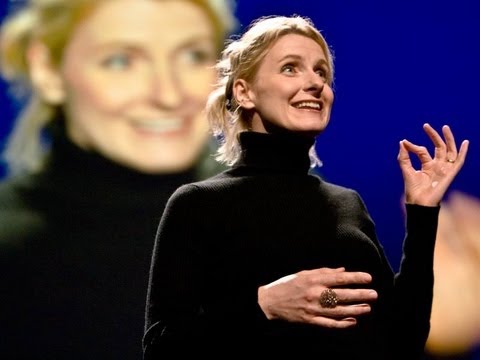
▶️ YouTube - Elizabeth Gilbert sobre darle alas a la creatividad
❓ FAQ OF TRANCE POSSESSION & WRITTING & ART & HEALING & ORACLE PRACTICE
What is trance possession, and how is it different from ordinary trance?
Answer: Trance possession is an altered state of consciousness where an individual relinquishes some level of self-control, allowing a perceived external entity, energy, or unconscious aspect of the self to guide their thoughts, actions, or expression. While ordinary trance (such as deep meditation or artistic “flow”) centers on heightened focus and absorption, trance possession typically involves a sense of being “taken over” or guided by something beyond the conscious ego. This is found in both cultural rituals and creative practices, blurring the lines between self-generated and “other” guidance.
How do writers and artists experience trance possession?
Answer: Many writers and artists describe moments when creativity seems to arrive unbidden characters speak “on their own,” brushstrokes move instinctively, or ideas emerge as if dictated by a deeper wisdom. This creative trance is fostered through rituals of routine or environment, relaxation practices, or by letting go of the need for control. The outcome is often work that feels more original and authentically inspired, with creators sometimes surprised by what emerges from these sessions.
Is trance possession always spiritual, or can it be psychological?
Answer: Trance possession can be interpreted across a continuum. In religious and shamanic settings, it may be described as spirit or deity contact. However, neuroscience and psychology frame the experience as accessing the intuitive and associative modes of the brain, facilitating new connections and the surfacing of implicit knowledge. The meaning is therefore context dependent: spiritual for some, psychological or neurobiological for others.
What are the benefits of trance healing?
Answer: Trance healing leverages the capacity to access altered states for therapeutic benefit. Practitioners report outcomes such as:
- Emotional release and trauma healing
- Enhanced clarity and stress relief
- Improvements in mood and well-being
- Physical and energetic balancing
- Sharpened self-awareness and spiritual connection
By moving beyond ordinary consciousness, clients often gain access to insights and shifts that are hard to achieve through talk-based or conscious analytic methods.
How do Oracle practices use trance possession for guidance?
Answer: Oracular traditions, ancient and modern, use trance possession as a means for channeling wisdom that extends beyond everyday logic or personal bias. The medium (oracle) enters a trance, sometimes with ritual preparation (incense, chanting, breath work), and transmits messages believed to come from the spiritual realm, archetypal wisdom, or deep intuition. This has helped individuals and communities make decisions, resolve uncertainty, and seek meaning in times of change.
Is trance possession safe? Are there risks?
Answer: For most people, trance possession practiced within safe, structured, and supportive settings is not only safe but also beneficial. However, risks can arise if:
- The experience is unwanted and distressing (such as in some dissociative disorders)
- There is insufficient support or grounding post-trance
- It is triggered or interpreted in environments lacking cultural or therapeutic context
Preparation, aftercare, and if needed, professional guidance reduce risks and enhance positive outcomes.
Can anyone learn to enter trance possession, or is it a special talent?
Answer: Entering trance states is an innate human ability, though the depth, intensity, and character of the experience will vary among individuals. Training—whether in meditation, creative arts, or spiritual practices can cultivate this capacity. Fostering healthy curiosity, letting go of perfectionism, and creating regular practices are keys to making trance states a supportive element in personal or professional life.
How does trance enhance intuition and creativity?
Answer: Trance states diminish the dominance of the analytical “executive” mind, promoting associative, non-linear connections. This loosening affords access to symbolic, sensory, and affective knowledge, often surfaced as gut feelings, sudden insights, or creative leaps. The result is more innovative ideas, stronger narrative voice, and bolder artistry.
😆 JOKES ABOUT TRANCE POSSESSION & WRITTING & ART & HEALING & ORACLE PRACTICE
-
I tried trance possession during my writing session. Now even my spell-checker is speaking in tongues.
-
The muse took over my body. She left a mess, and now I can’t find my pen.
-
When people asked if I was “possessed by creativity,” I said, “Possessed, yes. Productive, debatable.”
-
Writers never really get writer’s block. Sometimes, it’s just the spirit guide taking a coffee break.
-
When my character took over the story, I realized I was both the medium and the message.
-
My last painting session felt like a trance. I lost track of time—and apparently, perspective and color theory.
-
When asked for an artist’s statement, I just mutter, “The spirits made me do it.”.
-
My therapist says I have control issues, but during trance possession, I have “other people’s control” issues.
-
Most oracles emerge from trance with timeless wisdom—I mostly emerge hungry and confused.
🦋 METAPHORS ABOUT TRANCE POSSESSION & WRITTING & ART & HEALING & ORACLE PRACTICE
Trance Possession
- Stepping aside to let the river flow: The self as a riverbank, allowing the current of intuition or spirit to shape, erode, and renew.
- Becoming an antenna: The mind as a receptive instrument, tuned to signals beyond the everyday frequency.
- Wearing many masks: Identity as a wardrobe, changed and animated by unseen hands in moments of inspiration or insight.
- Lingering on the threshold: Consciousness dwelling between worlds, a doorway or liminal space where ordinary rules are suspended.
- Dancing with the invisible partner: Movement, thought, or feeling guided by a force that leads as much as it follows.
Writing
- The pen as a divining rod: Words discovered like hidden water, dowsed from below the surface by a hand steadied by the unknown.
- Channeling a voice: Not writing but listening, serving as scribe to a story that seems to write itself.
- Riding the thermal: Inspiration as a bird caught on an upward wind, lifted effortlessly by unseen currents into creative flight.
- Digging for gems: Mining the subconscious, unearthing raw jewels shaped into narrative or verse.
Art
- The canvas as a mirror of dreams: Images surfacing from the deep like fish breaking water in the dawn.
- Painting with both hands: The visible hand guided by an invisible twin skill and intuition intertwined.
- Sculpting fog: Giving form to the formless, coaxing clarity from a shapeless inspiration.
- Becoming the brush: The artist subsumed, moving as if animated by the paint itself.
Healing
- The healer as a hollow bone: Channeling energy or wisdom from elsewhere, emptied of agenda, open to flow.
- Reweaving the tapestry: Repairing the fabric of body, mind, or spirit by picking up dropped threads with gentle hands.
- Being sung into wholeness: The sense of being “spoken” or “sung” back to health by benevolent forces using the healer as an instrument.
- Lighting the hearth: Rekindling the inner fire that has gone dim, restoring warmth and vitality through presence and care.
Oracle Practice
- Tuning into the cosmic radio: Receiving messages broadcast on wavelengths beyond ordinary hearing.
- Becoming the hollow reed: Letting prophecy or guidance blow through, the self a flute played by the breath of spirit.
- Cracking the shell: Breaking open the hard carapace of certainty to let wisdom emerge, unexpected and alive.
- Casting pebbles into the well: Offering questions or intentions into the depths, listening for the echo that returns.
🧑🦲 AXEL MAGNUS EXPERIENCE TRANCE POSSESSION & WRITTING & ART & HEALING & ORACLE PRACTICE
“Oracle in trance: translating cryptic divine wisdom into cryptic divine mumbling.” - Anonymous
Over the years, my journey has woven together learning from books, videos, seminars, and hands-on practice, always in search of techniques that genuinely improve both my life and the lives of others. My curiosity drew me deeply into trance possession, writing, art, healing, and oracle work, motivated by a desire for methods that are as reliable as they are transformative.
In the realm of NLP, I immersed myself in seminars and continued my education through exchanges with friends, rich reading, and a trove of video and audio resources. Practicing these tools both solo and collaboratively has reinforced a central realization: the answers I seek ultimately reside within. For me, the true art lies in organizing that internal wisdom so the right solution emerges precisely when needed.
Writing workshops taught me to surrender control, allowing my book’s characters to find their own voices and make their own decisions, often surprising me with the authenticity and depth that emerged when I simply let them speak through me.
Trance possession has become an integral part of my work as a spiritual guide, bodyworker, and healer, providing a gateway to profound insight and change. Later, I explored deep trance identification, using it to connect intimately with mentors and channel their qualities directly. While studying flamenco in Spain, I learned to invite and receive duende, that mysterious wellspring of creative power, welcoming it as a vital force in both dance and life.
Automatic writing became a trusted route for manifesting inspiration, offering a way for inner guidance to flow unfiltered onto the page. Each day, I continue to use trance states to sharpen my senses and enrich my abilities. Of all these approaches, kinesthetic awareness tuning into the body’s subtle sensations remains among the most deeply transformative tools in my repertoire.
For those just beginning this journey, I wholeheartedly encourage finding a practitioner with not only knowledge and experience but also the artistry and presence to guide your first steps with care and skill.
🕳️ THE LIMITATIONS OR UNCERTAINTIES INHERENT IN THE RESEARCH OF TRANCE POSSESSION & WRITING & ART & HEALING & ORACLE PRACTICE
While TRANCE POSSESSION & WRITING & ART & HEALING & ORACLE PRACTICE, or reframing problems by altering their size, structure, distance, location, or perspective, has been used for centuries, there are limitations and uncertainties inherent in the research of these practices. Here, we’ll explore some of the limitations and uncertainties that researchers and practitioners should be aware of:
Limitations of Ancient Texts
- Interpretation: Ancient texts can be open to interpretation, making it difficult to understand the original intent of the authors.
- Translation: Ancient texts may have been translated multiple times, leading to potential errors or misunderstandings.
- Cultural Context: Ancient texts may have been written in a specific cultural context, which can make it difficult to understand the practices and techniques described.
Limitations of Modern Research
- Small Sample Sizes: Many studies on TRANCE POSSESSION & WRITTING & ART & HEALING & ORACLE PRACTICE have small sample sizes, making it difficult to generalize the findings to larger populations.
- Lack of Control Groups: Some studies may not have control groups, making it difficult to determine whether the results are due to the breathing technique or other factors.
- Measurement Tools: Measurement tools, such as questionnaires and physiological measures, may not be sensitive enough to capture the full range of effects of techniques.
Uncertainties of States
- Subjective Experience: States are subjective experiences, making it difficult to measure and quantify them.
- Individual Variability: Individuals may respond differently to techniques, making it difficult to predict the effects of these practices.
- Contextual Factors: Contextual factors, such as the environment and the practitioner’s intention, can influence the effects of techniques.
Limitations of HOW TO TRANCE POSSESSION & WRITTING & ART & HEALING & ORACLE PRACTICE Techniques
- Individual Differences: Individuals may have different sensory experiences, making it difficult to standardize techniques.
- Health Status: TRANCE POSSESSION & WRITTING & ART & HEALING & ORACLE PRACTICE techniques may not be suitable for individuals with certain health conditions, such as mental illness.
- Practice Quality: The quality of the practice, such as the frequency and duration of practice, can influence the effects of TRANCE POSSESSION & WRITTING & ART & HEALING & ORACLE PRACTICE techniques.
Uncertainties of the Mind-Body Connection
- Complexity of the Mind-Body Connection: The mind-body connection is complex and not fully understood, making it difficult to predict the effects of TRANCE POSSESSION & WRITTING & ART & HEALING & ORACLE PRACTICE techniques on the mind and body.
- Individual Variability: Individuals may respond differently to TRANCE POSSESSION & WRITTING & ART & HEALING & ORACLE PRACTICE techniques, making it difficult to predict the effects of these practices on the mind and body.
- Contextual Factors: Contextual factors, such as the environment and the practitioner’s intention, can influence the effects of TRANCE POSSESSION & WRITTING & ART & HEALING & ORACLE PRACTICE techniques on the mind and body.
Limitations of Research Design
- Correlational Studies: Many studies on TRANCE POSSESSION & WRITTING & ART & HEALING & ORACLE PRACTICE are correlational, making it difficult to determine causality.
- Lack of Randomization: Some studies may not use randomization, making it difficult to control for confounding variables.
- Small Sample Sizes: Many studies on TRANCE POSSESSION & WRITTING & ART & HEALING & ORACLE PRACTICE techniques have small sample sizes, making it difficult to generalize the findings to larger populations.
✏️ CONCLUSION OF TRANCE POSSESSION & WRITTING & ART & HEALING & ORACLE PRACTICE
Trance possession, viewed across the sweeping landscapes of human culture, biology, and creative experience, emerges not as a fringe curiosity but as an integral faculty woven into the very fabric of human possibility. Whether manifesting in the silent focus of the writer, the ecstatic dance of the shaman, the painter’s rapt improvisation, the healer’s attuned presence, or the oracle’s cryptic wisdom, trance has served as a bridge between conscious intention and the deeper currents of intuition, inspiration, and transformation.
Across evolutionary and neurological frameworks, trance possession is both adaptive and generative. By suspending habitual mental filters and relaxing the grip of inner censorship, individuals gain access to layers of insight, memory, and imagination otherwise concealed from ordinary awareness. In art and writing, this state is the wellspring of originality and depth; in healing, it is an engine for somatic regulation and narrative renewal; in oracular practice, it is a trusted portal to guidance that transcends linear logic.
Importantly, such altered states are not esoteric reserves for a chosen few; they are teachable, cultivable, and universally accessible. The path from skepticism to practical benefit runs through the willingness to experiment and the humility to surrender certainty. Modern neuroscience corroborates what shamans, healers, and artists have always known: that self-transcendence, whether fleeting or sustained, is a source of creativity, resilience, and meaning.
As contemporary life grows ever more saturated with information, rapid change, and distraction, the ancient practices of trance possession offer a corrective: an invitation to pause, to listen deeply, and to co-create with forces both within and beyond the self. By integrating these practices respectfully, safely, and creatively, individuals and communities reclaim lost tools for self-healing, wisdom, and artistic renewal. In this synergy of science and spirit, trance possession endures as a timeless ally at the frontier of knowledge, creativity, and well-being.
📚 REFERENCES OF TRANCE POSSESSION & WRITTING & ART & HEALING & ORACLE PRACTICE
@book George Lakoff & Mark Johnson, 1980; Metaphors We Live By
@book Steve & Connirae Andreas, 1988; Change Your Mind and Keep the Change: Advanced NLP Submodalities Interventions
@book Julian Jaynes, 2000; The Origin of Consciousness in the Breakdown of the Bicameral Mind
@book Andreas, S. (2002). Transforming yourself: Becoming who you want to be. Real People Press.
@book Csikszentmihalyi, M. (1990). Flow: The Psychology of Optimal Experience.
@book Goodman, F. D. (1988). How About Demons?: Possession and Exorcism in the Modern World.
@book Harner, M. (1990). The Way of the Shaman.
@book Lewis-Williams, D. (2002). The Mind in the Cave: Consciousness and the Origins of Art.
@book Winkelman, M. (2010). Shamanism: A Biopsychosocial Paradigm of Consciousness and Healing.
@book Eliade, M. (1964). Shamanism: Archaic Techniques of Ecstasy.
@article Dietrich, A. (2004). Neurocognitive mechanisms underlying the experience of flow. Consciousness and Cognition, 13(4), 746–761.
@article Krippner, S. (2000). The Epistemology and Technologies of Shamanic States of Consciousness. Journal of Consciousness Studies, 7(11–12), 93–118.
@article Tart, C. T. (1998). A Psychophysiological Study of Out-of-the-Body Experiences in a Selected Subject. Journal of the American Society for Psychical Research, 62(3), 3–27.
@article Tedlock, B. (2005). The Woman in the Shaman’s Body: Reclaiming the Feminine in Religion and Medicine. Dreaming: Journal of the Association for the Study of Dreams, 15(3), 187–203.
@video DVD Transforming Yourself Complete 3-day Training with Steve Andreas
@link The Wholeness Work
@link Core Transformation
Image credit - Pexel - Hilmi Işılak
Movies
-
Possession (Żuławski, 1981).
A surreal psychological horror film using demonic possession as a harrowing allegory for emotional volatility, creative destruction, and inner chaos within an unraveling marriage. -
The Exorcist (Friedkin, 1973).
A landmark supernatural thriller dealing explicitly with spiritual possession and exorcism, exploring faith, healing rituals, and the battle for a young girl’s mind and body. -
Hereditary (Aster, 2018).
This intense horror drama examines generational trauma, supernatural manipulation, and the devastating legacy of occult possession within a family context. -
Jathilan: Trance & Possession in Java (Documentary) (2010).
An ethnographic documentary providing insight into Indonesian trance dance rituals, depicting authentic instances of spirit possession for healing, protection, and communal belonging. -
Constantine (Lawrence, 2005).
A supernatural noir featuring exorcism, oracular visions, and spiritual warfare, as an occult detective navigates between the worlds of possession, healing, and mystical insight. -
Jennifer’s Body (Kusama, 2009).
A subversive horror-comedy in which teenage possession becomes a metaphor for transformation, empowerment, and the chaotic potential of feminine agency. -
The Medium (Pisanthanakun, 2021).
A modern folk horror rooted in Thai shamanic traditions, where trance states, ancestral possession, and healing ceremonies are central—and dangerous. -
Oracle (2023).
A recent supernatural thriller that weaves prophecy, trance, and oracular dreams into a narrative about the power and peril of receiving mystical guidance. -
The NeverEnding Story (Petersen, 1984).
A fantasy adventure where quests for healing, guidance from oracles, and the transformative force of imagination and storytelling take center stage. -
Big Eyes (Burton, 2014).
A biographical drama highlighting the blurry line between artistic inspiration, creative “possession,” and questions of authorship and identity in the art world. -
Finding Forrester (Van Sant, 2000).
An uplifting drama about mentorship and the mysterious, sometimes trance-like inspiration involved in the process of writing and creative self-discovery. -
Loving Vincent (Kobiela & Welchman, 2017).
The first fully painted feature film, exploring the artistry, emotional turbulence, and cathartic healing within Vincent van Gogh’s life and vision. -
Frida (Taymor, 2002).
A visually lush biography weaving together pain, healing, surreal creative inspiration, and the spiritual dimensions of Frida Kahlo’s art and personal journey. -
Black Swan (Aronofsky, 2010).
A psychological thriller where the protagonist’s descent into creative obsession borders on possession, blurring lines between self, artistic role, and psychological transformation. -
Dead Again (Branagh, 1991).
A neo-noir mystery intertwining hypnosis, past-life trance, trauma healing, and the oracular uncovering of buried truths through altered states of consciousness.
TV Shows
-
@tvshow The Exorcist (Slater, 2016–2017).
A supernatural horror series based on the renowned novel and film, following priests confronting demonic possession and exploring the psychological and spiritual dynamics of exorcism, healing, and personal struggle. -
@tvshow American Horror Story: Asylum (Murphy & Falchuk, 2012–2013).
In this anthology season, trance, possession, and institutional madness intersect with themes of artistic inspiration and delusional prophecy, using intense psychological drama and supernatural horror motifs. -
@tvshow Outcast (Kirkman, 2016–2018).
A dark, atmospheric series focused on a man plagued by demonic possession since childhood, blending themes of healing, spiritual warfare, and the search for meaning in the face of supernatural forces. -
@tvshow Constantine (Cerone & Sutter, 2014–2015).
A supernatural detective series featuring occult rituals, spirit possession, healing exorcisms, and characters with oracular abilities navigating the boundaries between the living and the spiritual. -
@tvshow Chilling Adventures of Sabrina (Aguirre-Sacasa, 2018–2020).
Reimagining the iconic character as a teenage witch, this series delves into possession, trance magic, artistic creation, and oracle-style prophecies as central elements of the heroine’s journey. -
@tvshow Kaos (Covell, 2024– ).
A dark fantasy series rooted in Greek mythology, where prophecy, oracles, and the shifting destinies determined by the Fates are central strands of the narrative, highlighting the mystical and creative aspects of fate and inspiration. -
@tvshow Jane the Virgin (Urman, 2014–2019).
While primarily a comedy-drama about family and romance, the show uniquely centers the protagonist’s journey as a writer, using magical realism and inspirational trance-like revelations to fuel her creative process. -
@tvshow Sacred Sites of the World: Oracles (BBC, 2016).
A documentary series episode exploring ancient oracle practices, trance states, and the cultural role of prophecy and healing across civilizations. -
@tvshow Evil (King & Herlov, 2019– ).
This psychological thriller explores demonic possession, exorcism, and the blurred lines between science and spirituality, frequently employing trance states and oracular logic to unravel mysteries. -
@tvshow Revenant (Kim Jae-hong & Kim Jae-moon, 2023).
A South Korean supernatural thriller about demonic possession, trance states, and the pursuit of healing and justice as characters uncover hidden truths. -
@tvshow Shining Vale (Lottman & Spiro, 2022– ).
A dark comedy where a troubled writer moves into a haunted house, negotiating creative blockages, ghostly possession, and the blurry boundary between psychological healing and supernatural influence. -
@tvshow Jathilan: Trance & Possession in Java (Short, 2011).
A short-form documentary focused on the Javanese folk dance tradition, where trance and spirit possession facilitate artistic performance, community healing, and ritual expression.
Books
-
The Folding Star (Hollinghurst, 1994).
An atmospheric novel about obsession, loss, and the elusive nature of beauty, portrayed through art and reverie; the narrative often evokes a trance-like immersion in longing and memory. -
What I Loved (Hustvedt, 2003).
Set in the New York art world, this novel delves into the psychological and creative lives of an art historian and an artist, exploring themes of inspiration, creative possession, and artistic healing. -
The Lady and the Unicorn (Chevalier, 2004).
A richly imagined historical tale of medieval tapestry, desire, and artistic process, weaving symbolism and the transformative power of art into the lives of its creators. -
The Goldfinch (Tartt, 2013).
This Pulitzer-winning novel follows a young man haunted by personal trauma and the talismanic power of a priceless painting, revealing art as a vehicle for healing and new realities. -
Big Eyes (based on Tim Burton’s film, 2014).
A biographical drama fictionalized in novel form, depicting artistic inspiration, creative “possession,” authorship disputes, and the tension between genuine and manufactured art. -
How to be Both (Smith, 2014).
A dual-narrative novel that entwines contemporary and Renaissance lives, exploring identity, creativity, and how art disrupts and guides the conscious self in surprising, almost oracular ways. -
The Blazing World (Hustvedt, 2014).
This experimental novel interrogates gender, creative identity, and the blurry boundaries between artist and muse, employing documentary fragments and multi-voiced narrative to evoke inspiration as a kind of possession. -
Eleanor Oliphant is Completely Fine (Honeyman, 2017).
Although primarily a novel of emotional healing through human connection, it artfully demonstrates how imagination, memory, and transformative moments function like a gentle trance guiding recovery. -
The Man in the Red Coat (Barnes, 2019).
Fusing biography and literary fiction, this novel examines Belle Époque art, healing, and eccentric genius, reflecting on how creative spirits shape—and are shaped by—their era. -
The Midnight Library (Haig, 2020).
A magical-realist journey through a library of “possible” lives, blending elements of healing, intuition, and self-discovery through a liminal, trance-like exploration of regret, hope, and the power of choice.